Department of
Information Science & Engineering
Vision
To disseminate the IT knowledge among the students for achieving excellence in education and to irradiate budding engineers as leaders in information technology.
Mission
- To maintain leadership and excellence in Information Technology.
- Achieving excellence in IT through analysis, design, development of software products
- Developing communication skills, leadership qualities and team work among students’ community by providing opportunities to work on various projects through internship with industry partners
- To inculcate Ethics and Human values for solving societal problems and environmental protection.
- Promoting research, higher studies and entrepreneurship among the students through outside world interaction
NCET’s Department of Information Science and Engineering takes special efforts to impart learning ability for the students. Information Science is an interdisciplinary science primarily concerned with analysis, manipulation, storage, retrieval of information. It is a broad field incorporating not only the aspects of computer science, but often diverse fields such as communications, management, law etc.
The students are focused with the use of conceptual understanding of core domain area in Computing as well as enhanced programming skills disseminating their analytical abilities. The faculties of our department are well qualified and have rich knowledge in their subjects. Students are encouraged to take up competitive exams and we also motivate them to participate in inter college events like cultural and technical events.
The department has got permanent affiliation from VTU and the college is accredited by the National Assessment and Accreditation Council (NAAC) with ‘A+’ Grade.
Department has good interactions and MOUs with leading technology domain Industries.
Students are provided with special placement training from Fifth Semester onwards, resulting in placements in reputed companies like, TCS, Wipro, ITC Infotech, Inzoom, HP, Infosys, TCS, IBM, Mindtree, Cognizant, JK Technosoft, Mphasis etc.
Programme Education Objectives (PEOs)
- 1
Pursue a successful career in the field of Information Science & Engineering or a related field utilizing his/her education and contribute to the profession as an excellent employee, or as an entrepreneur.
- 2
Be able to work effectively in multidisciplinary environments and be responsible members/leaders of their communities
- 3
The graduates of Information Science and Engineering Program should be able to establish an understanding of professionalism, teamwork, ethics, public policy that allows them to become good professional Engineers
- 4
The graduates of Information Science and Engineering Program should be able to provide novel engineering solutions and efficient software designs with legal and ethical responsibility.
- 5
Continuously improve by pursuing advanced degrees in engineering, business, or other professional fields through formal means or through informal self-study.
Programme Outcomes (POs)
Engineering Knowledge – Apply the knowledge of mathematics, science, engineering fundamentals, and Information Science and Engineering principles to the solution of complex problems in Information Science and Engineering.
Problem Analysis – Identify, formulate, research literature, and analyze complex Information Science and Engineering problems reaching substantiated conclusions using first principles of mathematics and engineering sciences
Design/Development of Solutions – Design solutions for complex Information Science and Engineering problems and design system components or processes that meet the specified needs with appropriate consideration for the public health and safety, and the cultural, societal, and environmental considerations.
Conduct Investigations of Complex problems – Use research-based knowledge and research methods including design of experiments, analysis and interpretation of data, and synthesis of the information to provide valid conclusions related to Information Science and Engineering problems.
Modern Tool Usage – Create, select, and apply appropriate techniques, resources, and modern engineering and IT tools including prediction and modeling to complex Information Science and Engineering activities with an understanding of the limitations.
The Engineer and Society – Apply reasoning informed by the contextual knowledge to assess societal, health, safety, legal, and cultural issues and the consequent responsibilities relevant to the professional Information Science and Engineering practice.
Environment and Sustainability – Understand the impact of the professional Information Science and Engineering solutions in societal and environmental contexts, and demonstrate the knowledge of, and need for sustainable development.
Ethics – Apply ethical principles and commit to professional ethics and responsibilities and norms of the Information Science and Engineering practice.
Individual and Team Work – Function effectively as an individual, and as a member or leader in diverse teams, and in multidisciplinary settings.
Communication – Communicate effectively on complex Information Science and Engineering activities with the engineering community and with society at large, such as being able to comprehend and write effective reports and design documentation, make effective presentations, and give and receive clear instructions.
Project Management and Finance – Demonstrate knowledge and understanding of the engineering and management principles and apply these to one’s own work, as a member and leader in a team, to manage Information Science and Engineering projects and in multidisciplinary environments.
Life Long Learning – Recognize the need for, and have the preparation and ability to engage in independent and life-long learning in the broadest context of technological change.
Programme Specific Outcomes (PSOs)
- 1
Professional Skills – The ability to understand, analyze, and develop algorithms and write Information application programs in the areas related to information technology.
- 2
Problem-Solving Skills – Ability to understand ethics and human values for solving societal problems and environmental protection.
- 3
Foundation of Mathematical Concepts – Ability to understand software development skills and practical knowledge for promoting research, higher studies, and entrepreneurship.
Academic Boards
Board of Studies (BOS)
15 Items| Intake | 60 |
| Accreditation Status | Institution is Accredited by NAAC with A+ Grade |
| Professional Society Membership | IAENG |
| Professional Activities | Student chapters, Seminars, workshops and FDPs are conducted regularly |
| Departmental Achievements | Faculties have patents and research work published in more than 15 papers in many of the reputed indexed journals. |
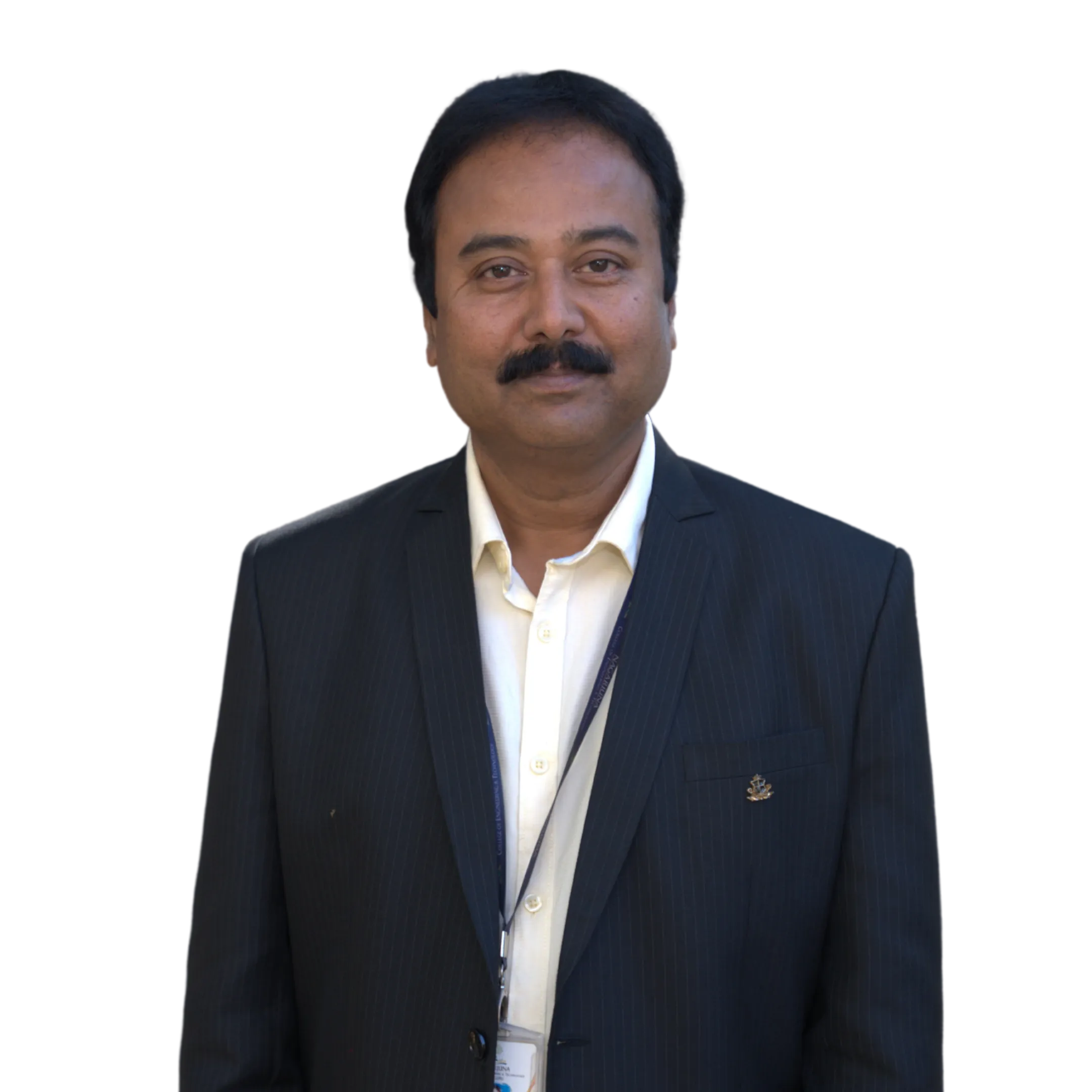
Dr. Sanjeevakumar M. Hatture
Head Of the Department
M.Tech(CSE), Ph.D.
"I hearty welcome all the students and their parents to the Department of Information Science and Engineering. Information Science and Engineering is an essence of today’s world. We are committed to provide not only the technical education to our students but also the leadership qualities through which they can create employment to others. During study at the department, the students are encouraged to get hands-on experience in the corporate world through internship projects with reputed organizations. We believe that our students have been well accepted in their job profiles and have consistently exceeded expectations of the corporate world. In their curriculum they are encouraged to take up mini projects to supplement theoretical knowledge with practical experience. We provide an opportunity for students to work as members of a team to organize events such as IKYA (a cultural fest), participate in workshops, technical and cultural fests organized by other colleges and also get involved in activities of social relevance. I congratulate the faculty members and the students for their brilliant efforts. I wish all the Students and Faculty a great academic career."
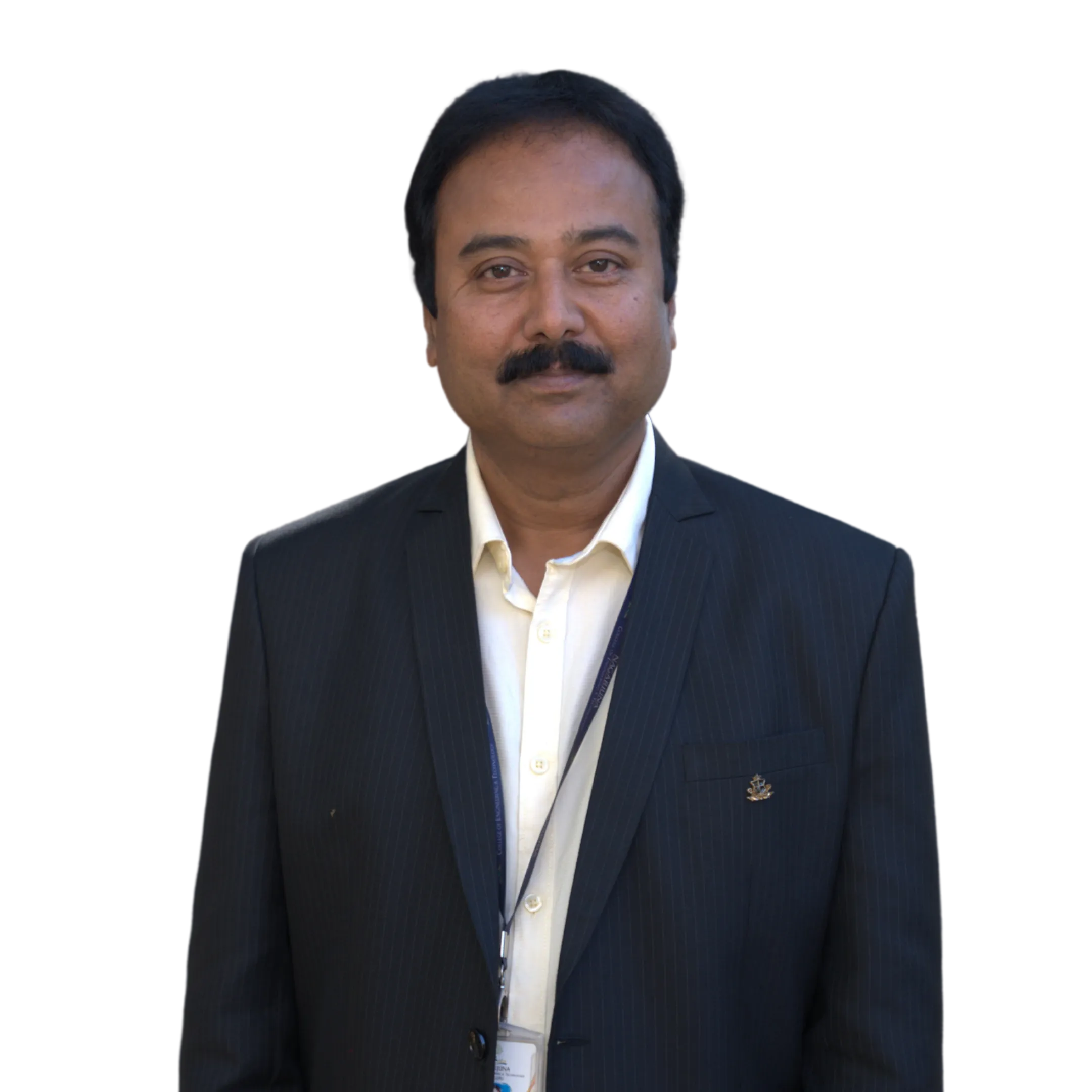
Dr. Sanjeevakumar M. Hatture
M.Tech(CSE), Ph.D.
28 years teaching, 12 years research in cybersecurity and biometrics. Recipient of multiple national awards, 67+ publications, and research grants.
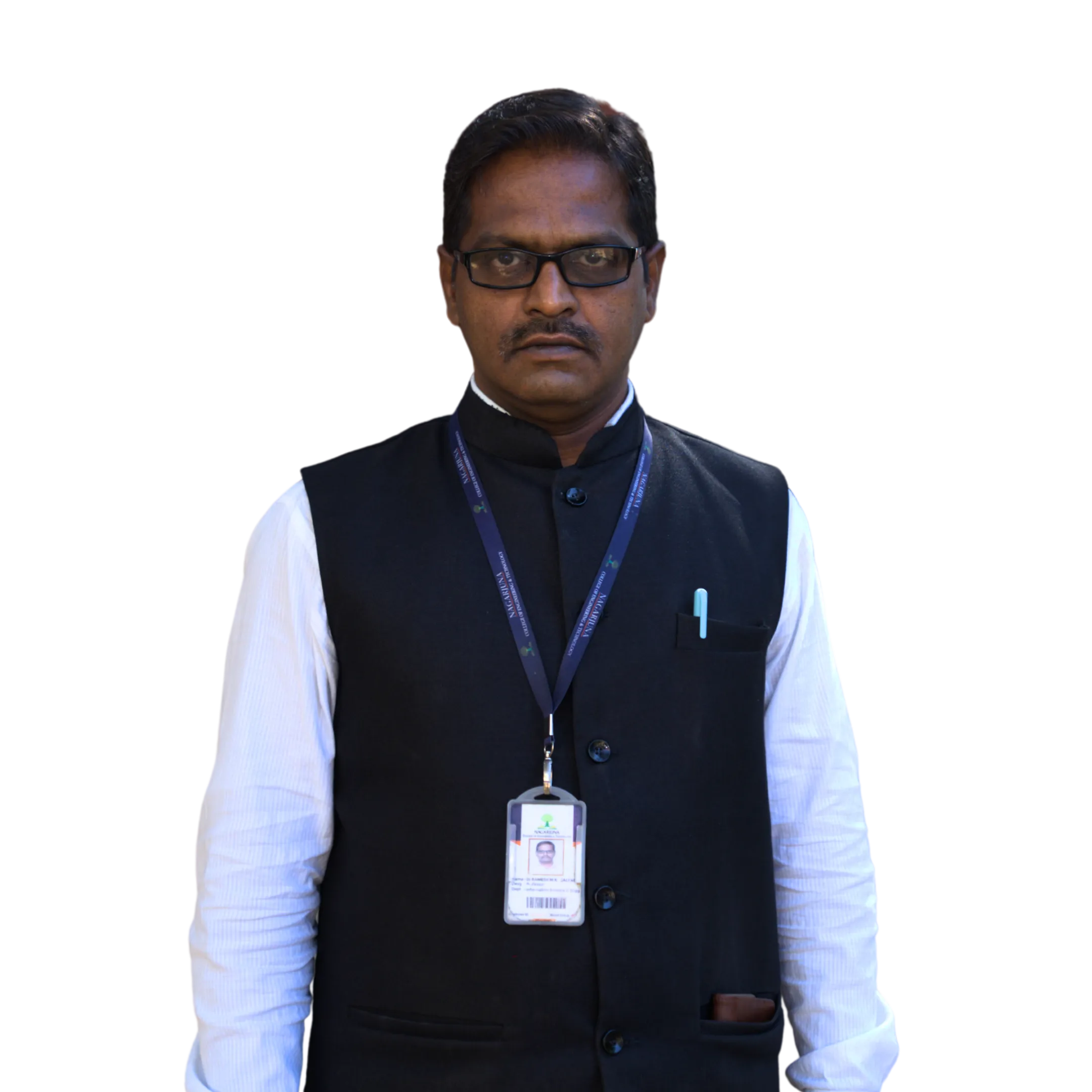
Dr. Ramesh M. Kagalkar
M.Tech(CSE), Ph.D.
20+ years academic experience, 18+ journal papers, 2 patent grants. Recipient of national/international awards, multiple research grants and collaborations.
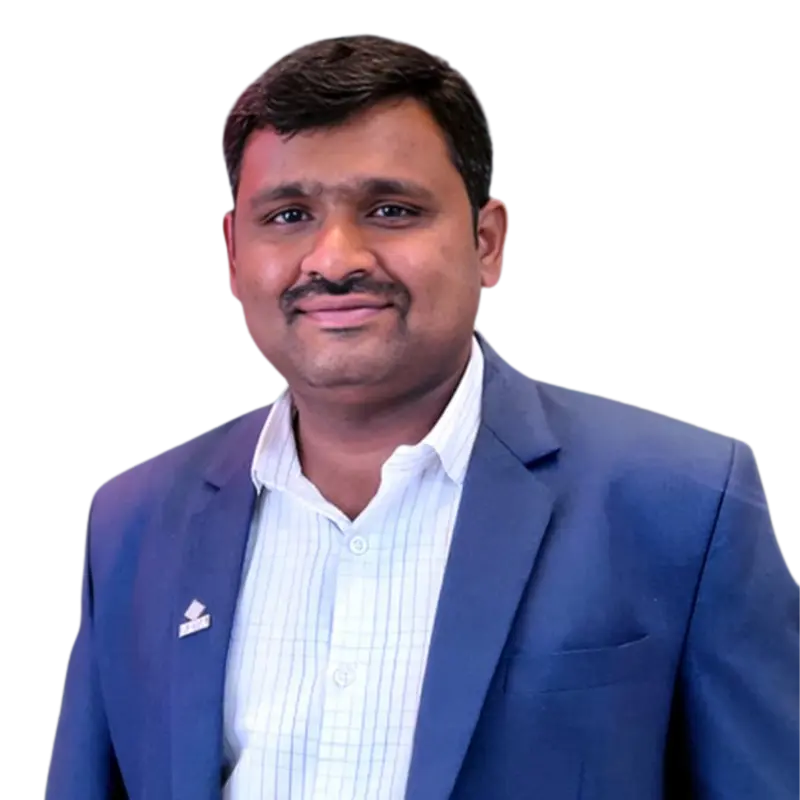
Dr. Sathyaprakash B P
M.Tech(CSE), Ph.D.
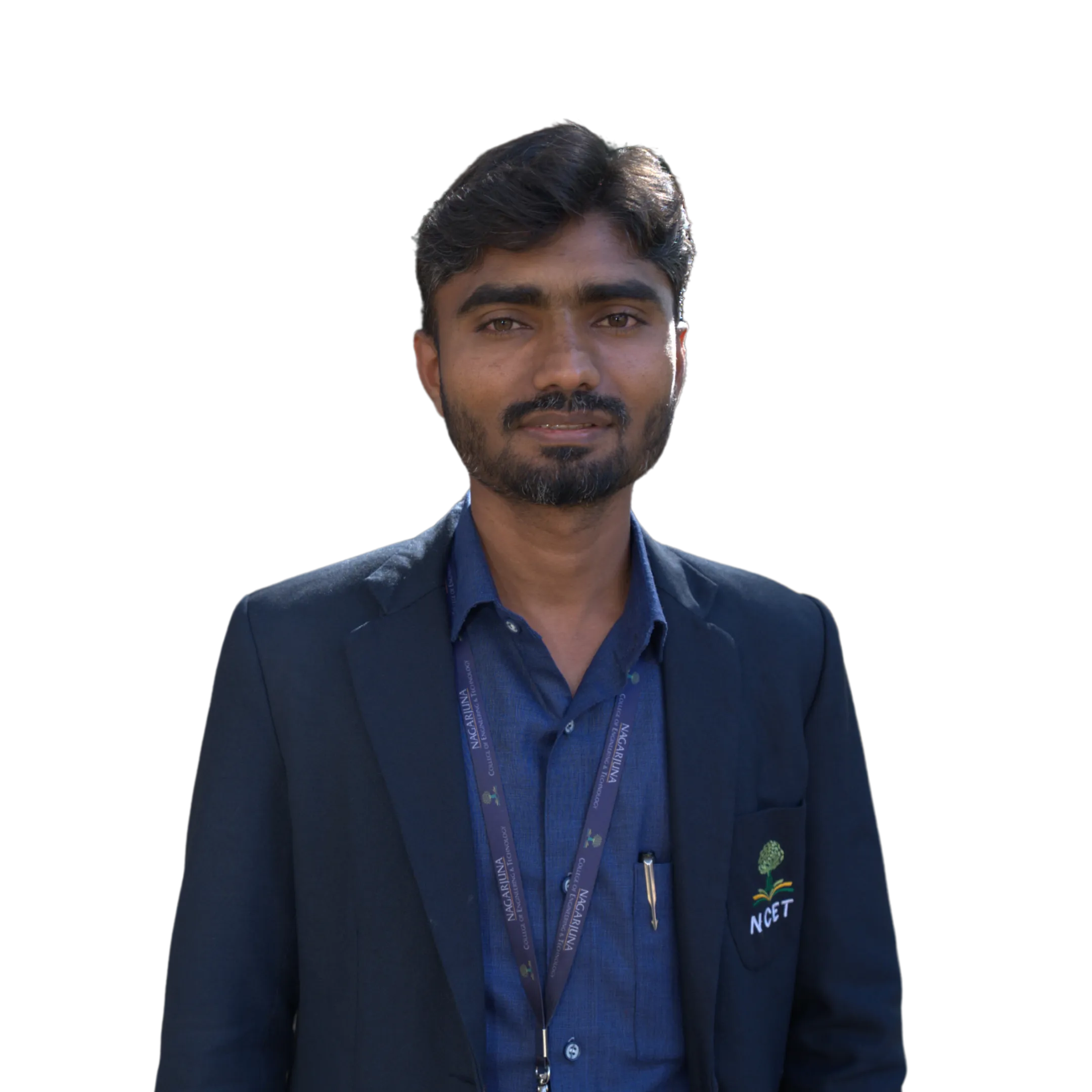
Mr. Suresha.S
M.E(CSE), (Ph.D)
8 years of academic and industry experience in computing disciplines. Research interests: AI, Machine Learning, Image Processing, and Data Analytics.
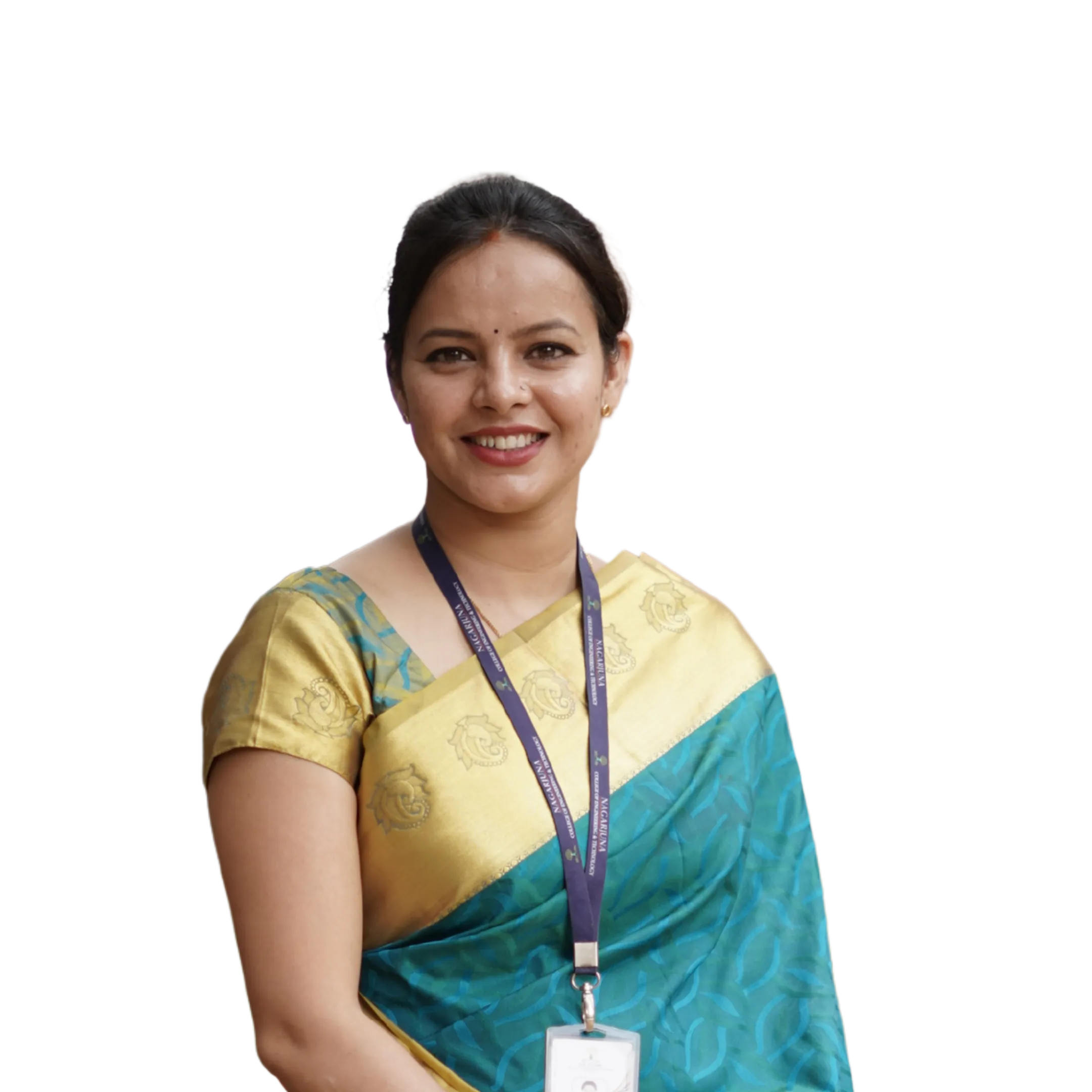
Mrs. Ankita Shukla
M.E(CSE), (Ph.D)
13 years of experience in teaching and research with multiple publications. Research interests: IoT Security, Cloud Computing, ML, DL, and Biomedical Applications.

Mrs. Thejaswini K. M
M.Tech(CSE)
M.Tech. degree in Computer Science and Engineering with a focus on emerging technologies. Research interests include software development, data structures, and cloud computing applications.
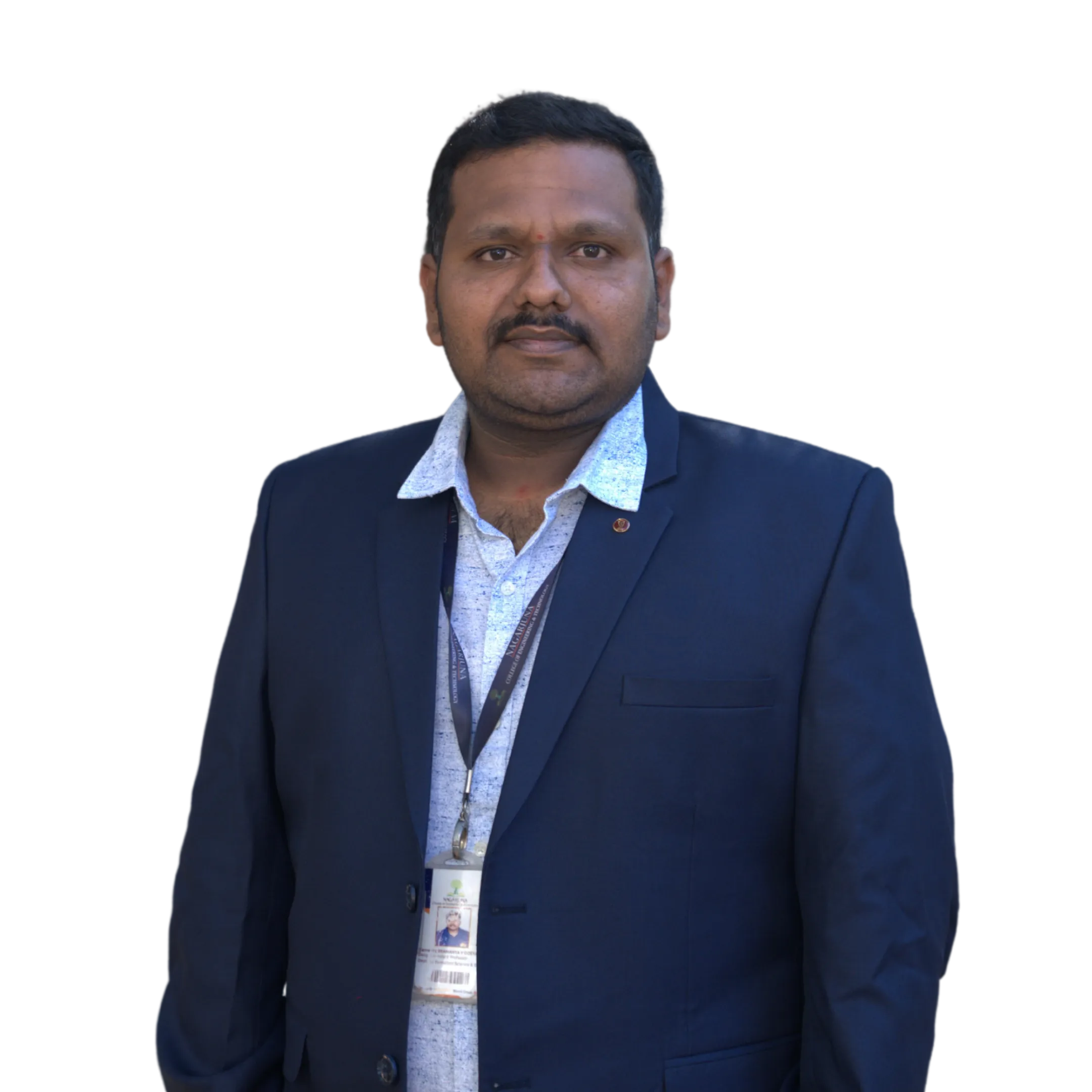
Mr. Subramanya V. Odeyar
M.E(CSE), (Ph.D)
Skilled in Blockchain, Cryptography, Python, and Network Security. Experienced in Full Stack Python and Power BI applications.
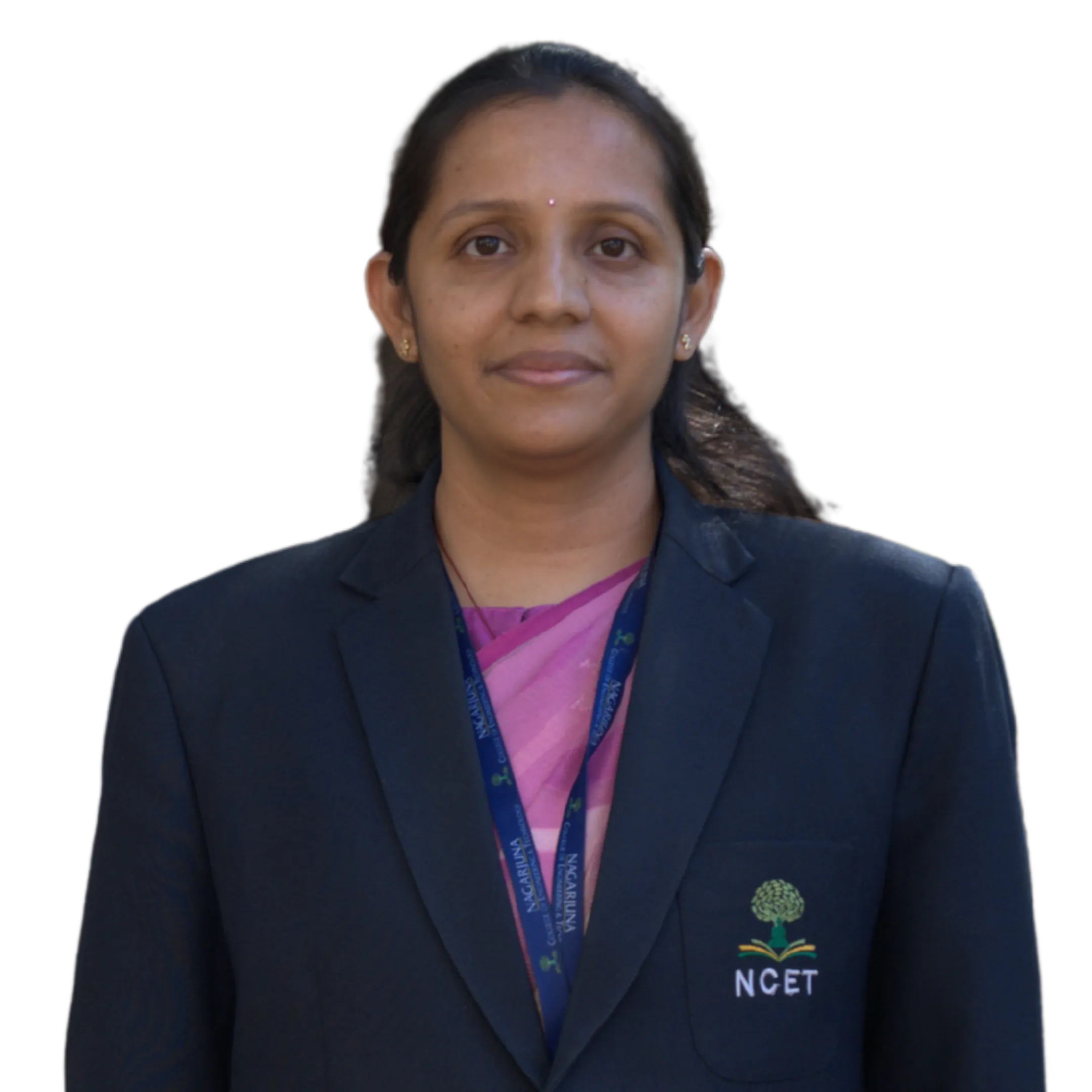
Mrs. Swetha L
M.E(CSE), (Ph.D)
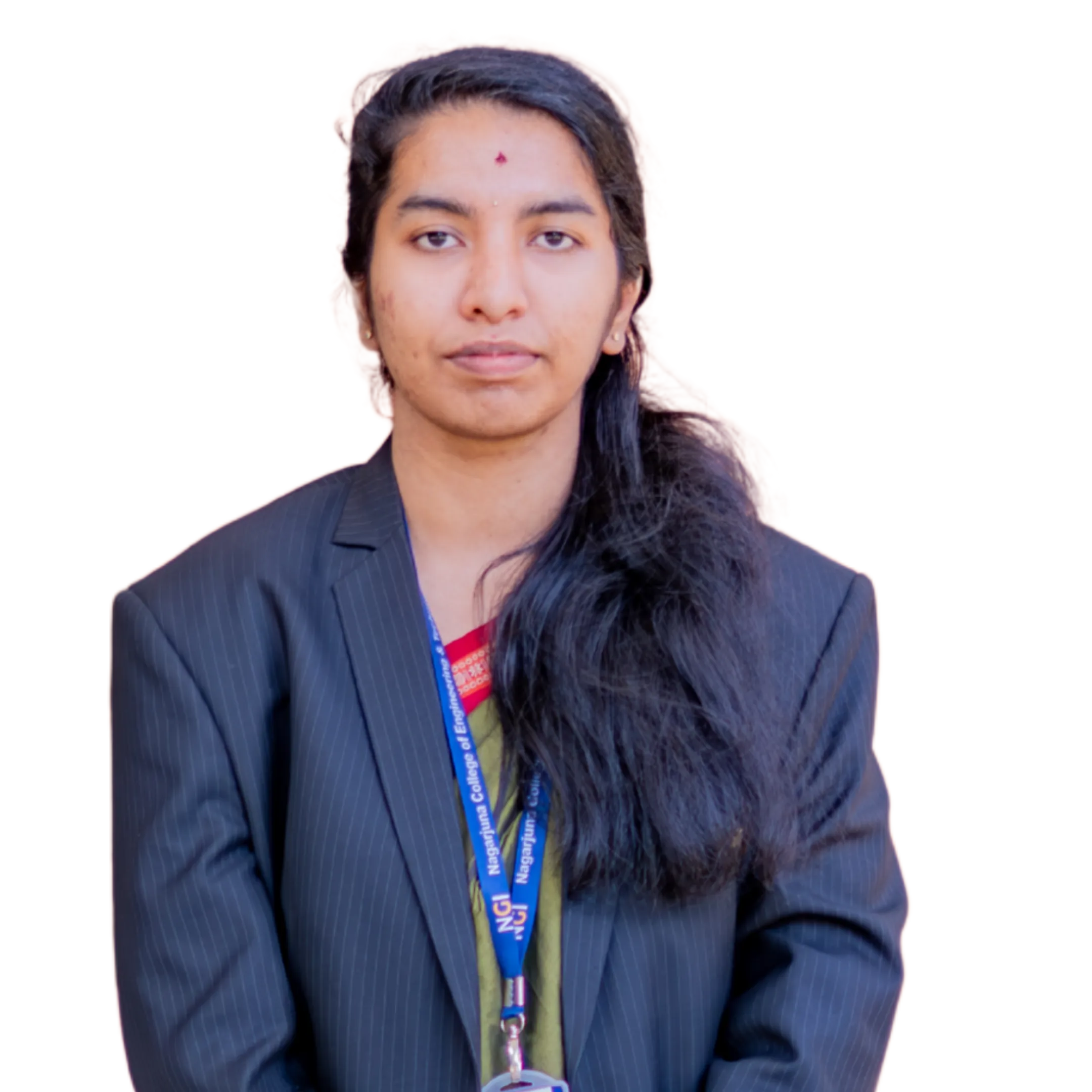
Ms. Yadvika Jayam N
M.S (Software Engg)
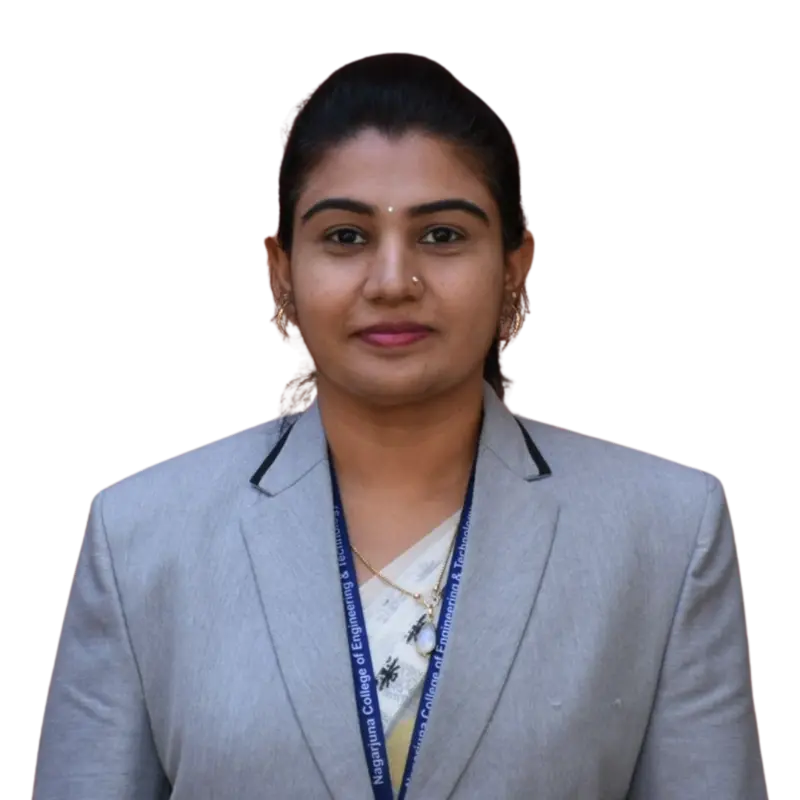
Mrs. Sowmya Raj K M
M.Tech(CSE)
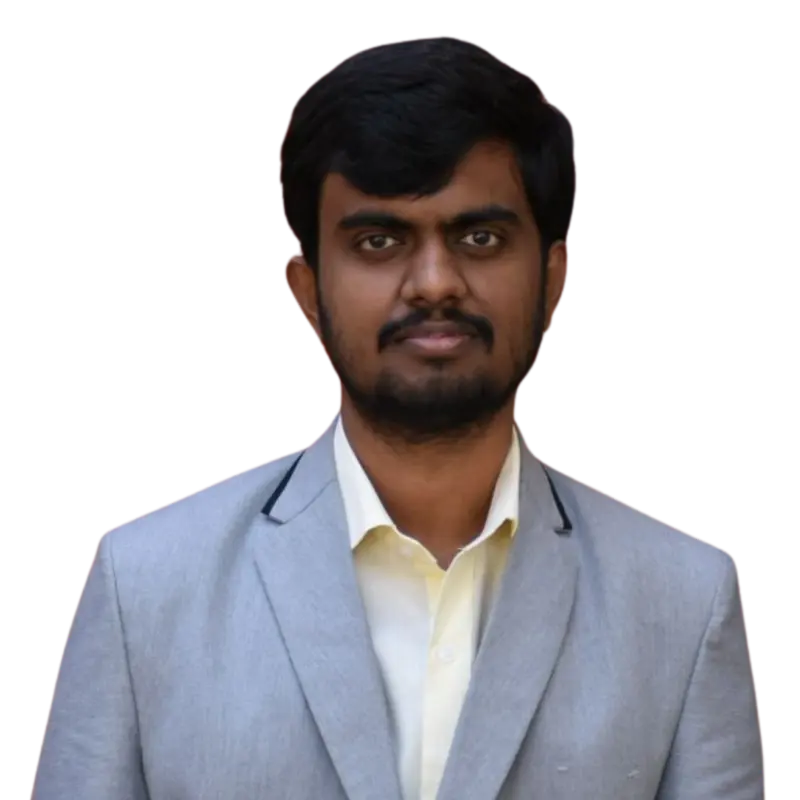
Mr. Ujwal M
M.Tech(CSE)
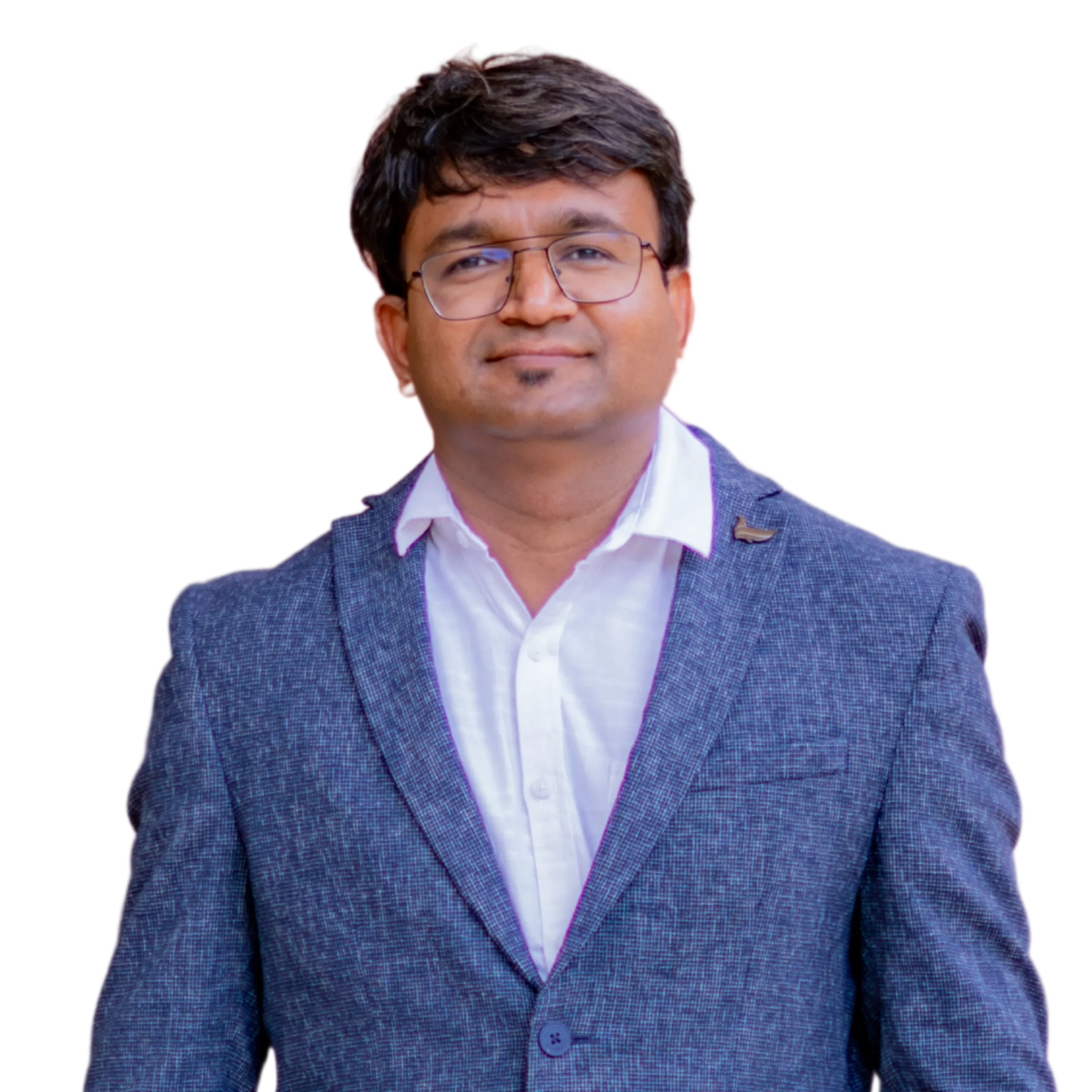
Dr. Shridhar G. Domanal
M.Tech(CSE), Ph.D., Post Doc.
Syllabus
Batch 2024-25
Academic Calendar
Course Files
Research & Development
General Infrastructure & Connectivity
The institution provides a 1:1 student-to-computer ratio during lab sessions.
All labs feature modern multimedia computers, licensed software (Windows 10 & Ubuntu), and 100MBPS high-speed internet.
Labs are also utilized for online placement tests and training.
Data Structures Laboratory
Provides a comprehensive approach to C programming and algorithm implementation. Students receive expert guidance to enhance programming and data management skills.
Android Programming (IC)
Fully equipped with Dell & HP PCs for designing and simulating Android apps.
Key Focus: Students learn to use the Android SDK and virtual devices (AVD) for app development and real-time testing.
Database Concepts (IC)
Focuses on the practical implementation of database management systems, enhancing students' conceptual understanding and hands-on query development and execution.
Unix Systems Programming Laboratory
Introduces students to the UNIX development environment and computer networks.
Key Areas: Protocol simulation, TCP/IP programming, routing algorithms, and internetworking.
Microcontroller Laboratory
Provides hands-on experience with processor architecture, I/O interfacing, and real-time control systems.
Equipment: 8085, 8086, & 8051 trainer kits, interfacing cards, and Keil-51 software.
Operating System Lab (IC)
Well-equipped lab connected via Ethernet to a central domain server, allowing students to experiment with and understand core operating system concepts and functionalities.
Object Oriented Programming With Java (IC)
Reinforces OOP concepts including classes, inheritance, and methods in Java, alongside practical software development exercises.
Facilities: Image Processing, IoT, Big Data, and Database concepts.