Department of
Civil Engineering
Vision
To transform the students as leaders in Civil Engineering to achieve professional excellence in the challenging future.
Mission
- To provide the Civil Engineering knowledge and skills for students through an excellent academic environment.
- Adopting innovative teaching techniques using modern engineering tools for designing, modeling and analyzing the societal and environmental problems.
- Developing Communication skill, leadership qualities through team work and skills for continuing education among the students.
- To inculcate moral, ethical and professional values among students to serve the society.
- Validate engineering knowledge through innovative research projects to enhance their employability and entrepreneurship skills.
Civil Engineering is a prominent branch of engineering that deals with infrastructural development of the country. The department of civil engineering was established in the year 2004. The Department has well equipped laboratories for teaching, R & D and industrial consultancy works. It also offers consultancy and testing services in the field of Civil Engineering.
Department of Civil Engineering is headed by Dr. M M Premchand. It aims to transform as leader in technical knowledge by providing excellent academic environment for the students which helps in grooming for innovative and challenging future in turn contribute for development of the nation.
NCET has been granted Autonomous status under VTU and the institution is accredited by NAAC with A+ grade.
Programme Education Objectives (PEOs)
- 1
Graduates in Civil Engineering will apply the technical knowledge for sustainable societal growth.
- 2
Graduates of Civil Engineering will demonstrate designing, modeling and analyzing skills.
- 3
Graduates in Civil Engineering will demonstrate good communication skills, dynamic leadership qualities with concern for environmental protection.
- 4
Civil Engineering graduates will be capable of pursuing higher studies, take up research and development projects.
- 5
Create, select, and apply appropriate techniques, resources, and modern engineering tools such as CAD, STAADPRO, etc. for various Civil Engineering activities.
Programme Outcomes (POs)
Engineering Knowledge – Apply the knowledge of mathematics, science, engineering fundamentals, and Civil Engineering principles to the solution of complex problems.
Problem Analysis – Identify, formulate, research literature, and analyze complex Civil Engineering problems reaching substantiated conclusions.
Design/Development of Solutions – Design solutions for complex Civil Engineering problems and design system components or processes that meet specific needs.
Conduct Investigations of Complex problems – Use research-based knowledge and research methods including design of experiments and analysis/interpretation of data.
Modern Tool Usage – Create, select, and apply appropriate techniques, resources, and modern engineering tools like CAD, FEM, and GIS.
The Engineer and Society – Apply reasoning informed by contextual knowledge to assess societal, health, safety, legal, and cultural issues.
Environment and Sustainability – Understand the impact of professional Civil Engineering solutions in societal and environmental contexts.
Ethics – Apply ethical principles and commit to professional ethics and responsibilities.
Individual and Team Work – Function effectively as an individual, and as a member or leader in diverse teams.
Communication – Communicate effectively on complex Civil Engineering activities with the engineering community and with society at large.
Project Management and Finance – Demonstrate knowledge and understanding of engineering and management principles.
Life Long Learning – Recognize the need for, and have the preparation and ability to engage in independent and life-long learning.
Programme Specific Outcomes (PSOs)
- 1
Analyze, design and execute the Civil Engineering structures with the knowledge of various domains.
- 2
Applying the knowledge of Civil Engineering for various consultancy services and testing of materials.
- 3
Solve the Civil Engineering problems with the help of modern software's and to provide sustainable solutions.
Academic Boards
Board of Studies (BOS)
11 Items| Course Name | B.E in Civil Engineering (4 Years) |
| Intake | 60 |
| Accreditation Status | Accredited by NBA & NAAC A+ Grade |
| Professional Society Membership | ICI Student Chapter, ACCE(I), IGBC |
| Professional Activities | Internships, ISRO Outreach Programmes, Seminars, Alumni Talks, Workshops, Expert Talks, Guest Lectures, Training Programs, FDPs |
| Consultancy Activities | Consultancy income exceeds $12,000 annually |
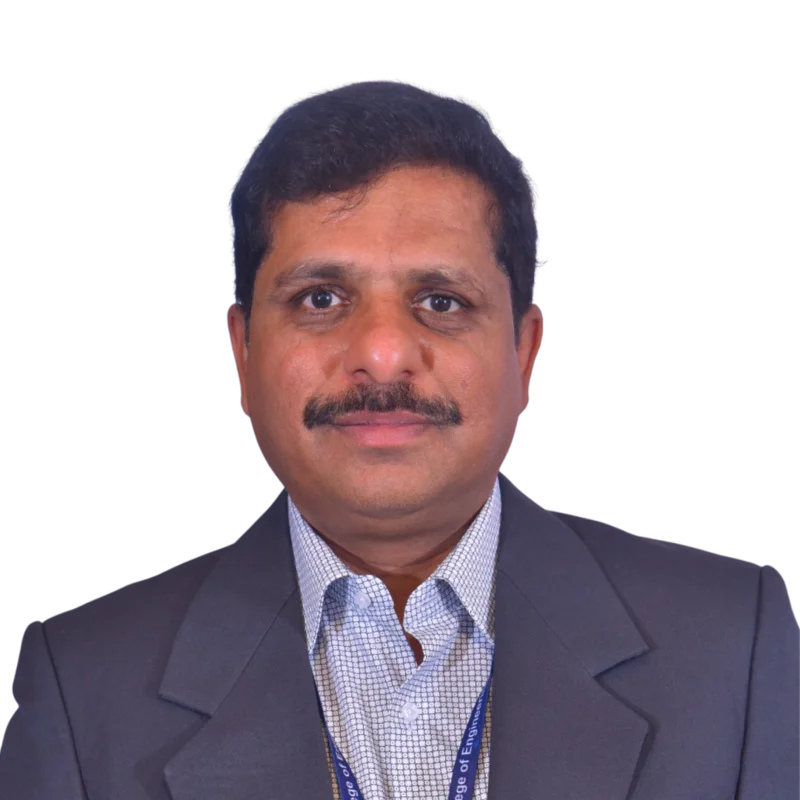
Dr. M M Premchand
Professor & Head of Department
"Welcome to the Department of Civil Engineering at NCET. I am honored to lead this vibrant department where we combine rigorous academic training with practical experience. Our department is deeply committed to sustainable development, innovation, and excellence in civil engineering education. Through industry partnerships, research initiatives, and hands-on projects, we prepare our graduates to become ethical, competent civil engineers who contribute meaningfully to society. We believe in fostering not just technical expertise, but also professional integrity and environmental consciousness among our students."
Dr. M M Premchand
M.Tech., Ph.D.
Professor & Head of Department with 15+ years of academic and industry experience. Research area: Concrete Technology.

Dr. Ramesh P S
B.E, M.E, Ph.D.
Professor with extensive experience in Civil Engineering and research.
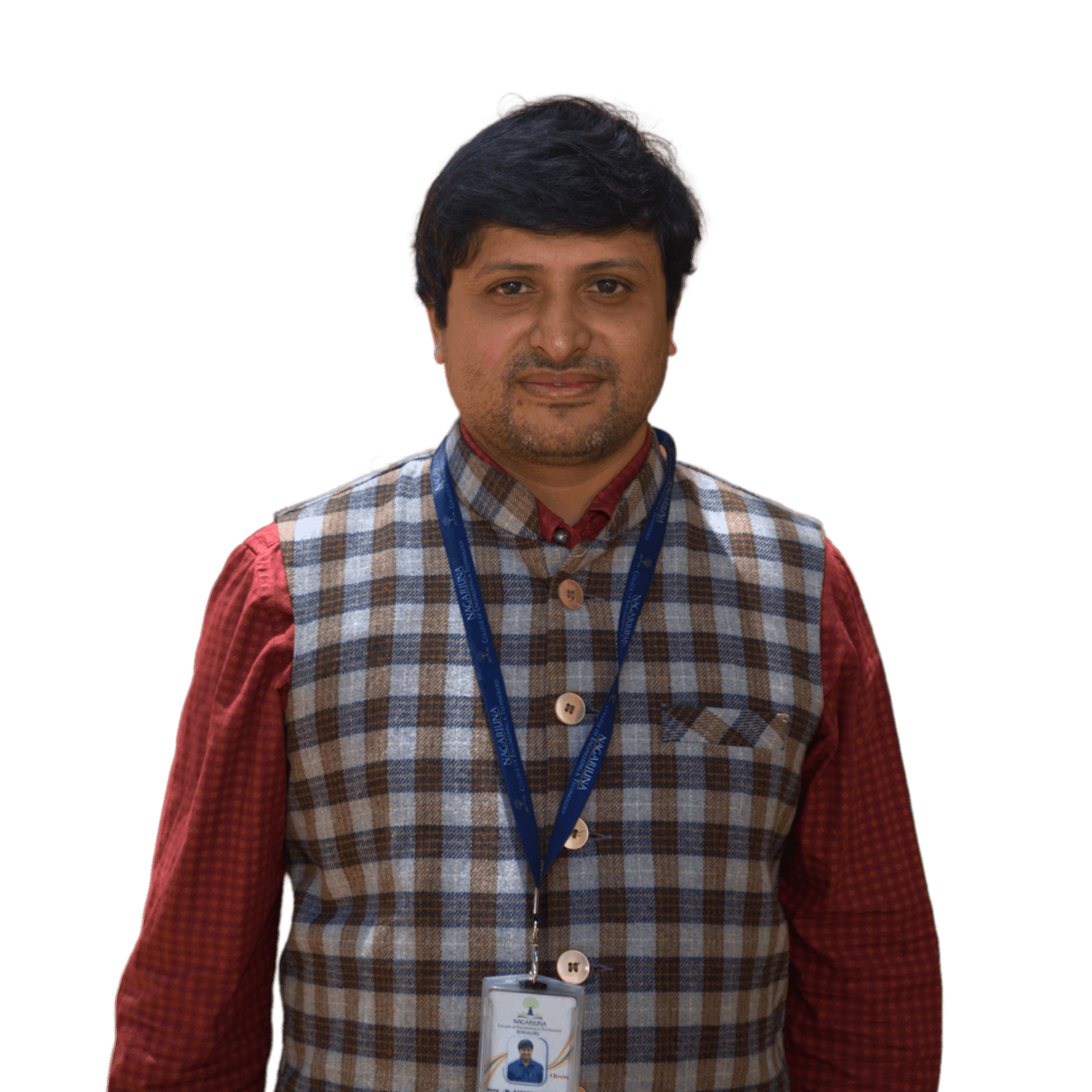
Mr. Sanath Kumar K R
B.Sc, M.Sc
Associate Professor with expertise in Civil Engineering principles and design.

Mr. Sujith S K
B.E, M.Tech, Ph.D.
Associate Professor with specialization in Surveying and GIS applications.

Mr. Adarsh Shetty H N
B.E, M.Tech
Assistant Professor with expertise in structural design and construction practices.

Ms. Chaya S
B.E, M.Tech
Assistant Professor with expertise in Concrete Technology and Material Testing.
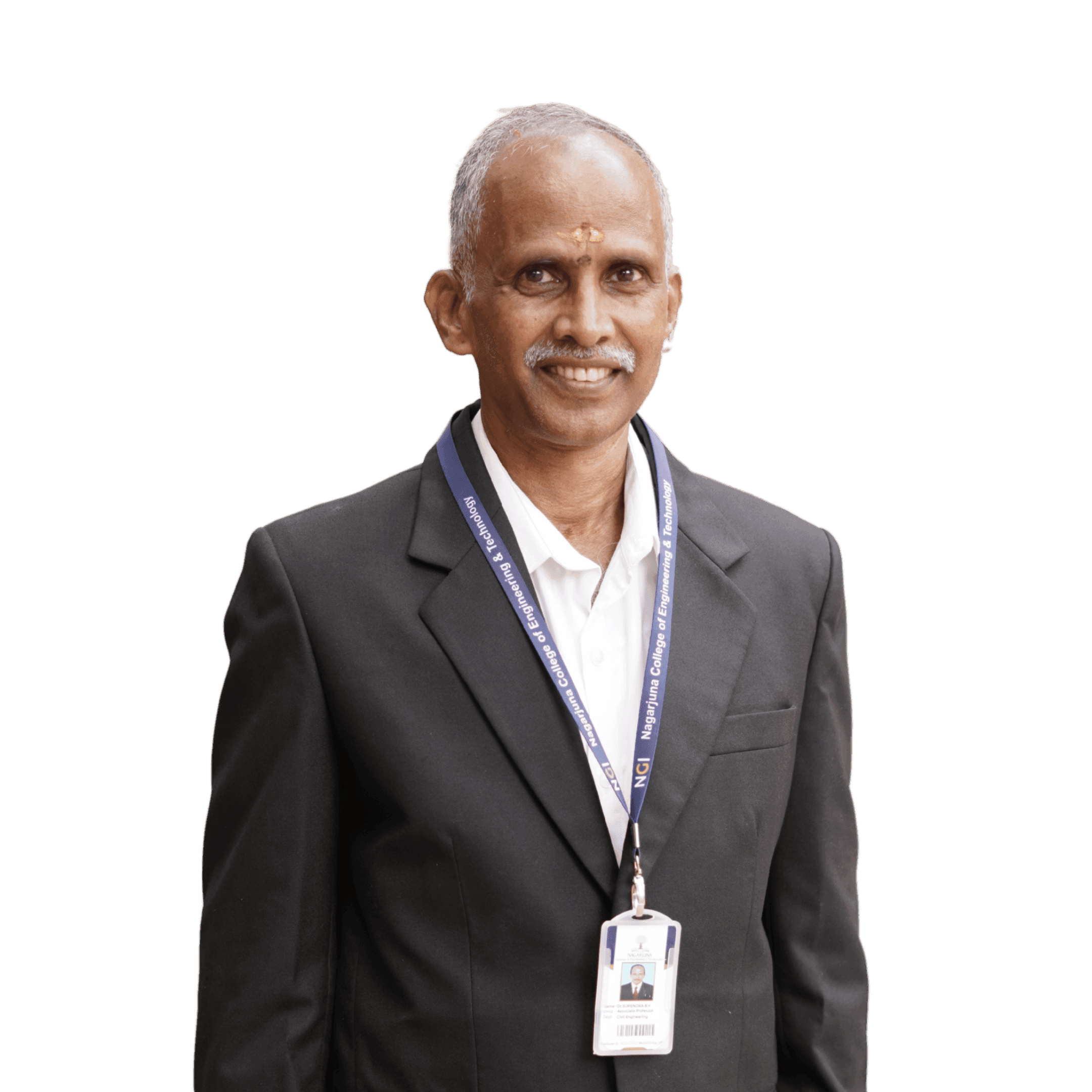
Dr. Surendra B V
B.E, M.Tech, Ph.D.
Associate Professor with specialization in Civil Engineering research and development.

Mrs. Chandini M K
B.E, M.Tech
Assistant Professor dedicated to student learning and engineering excellence.
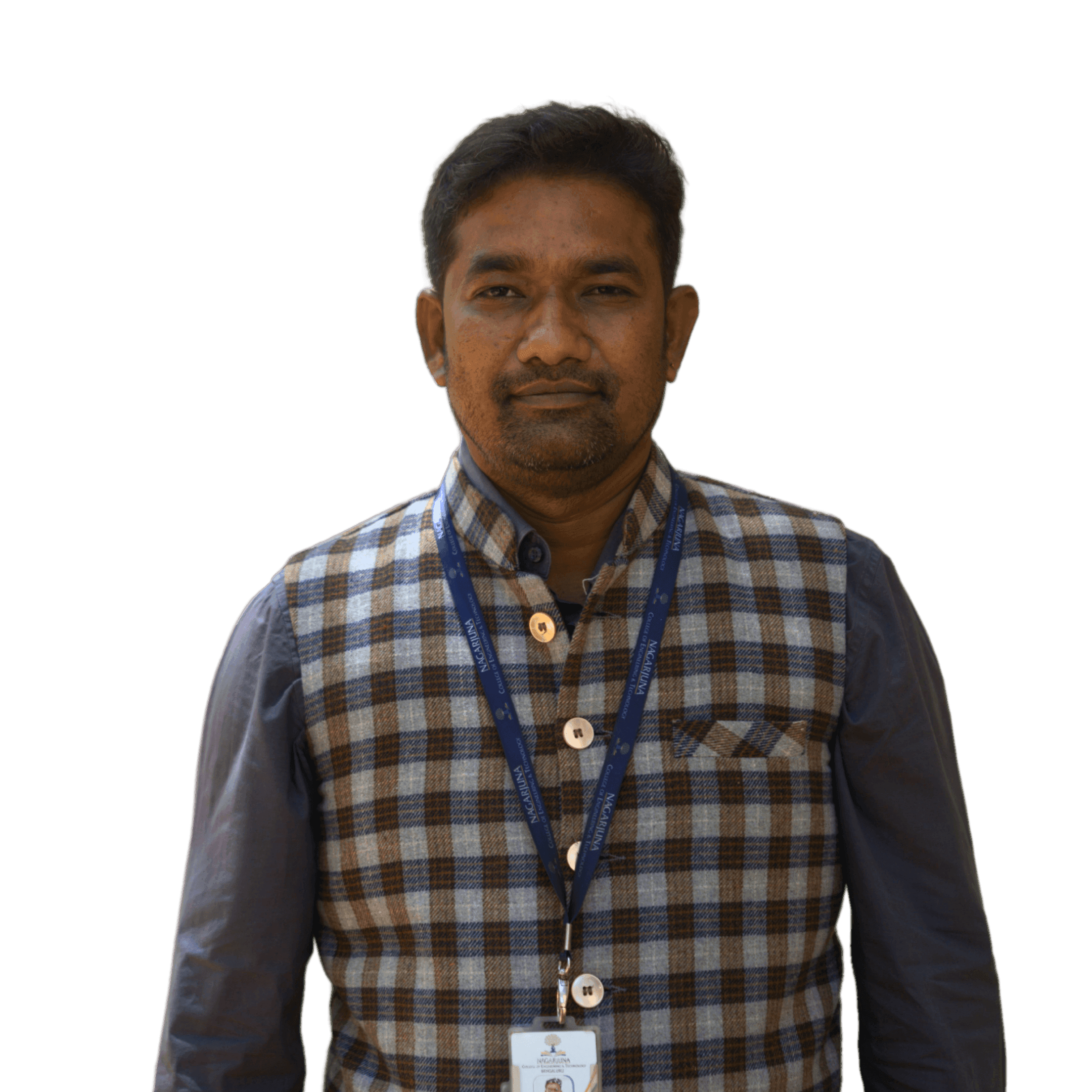
Mr. Shashikiran S
B.E, M.Tech
Assistant Professor with practical industry experience in Civil Engineering.
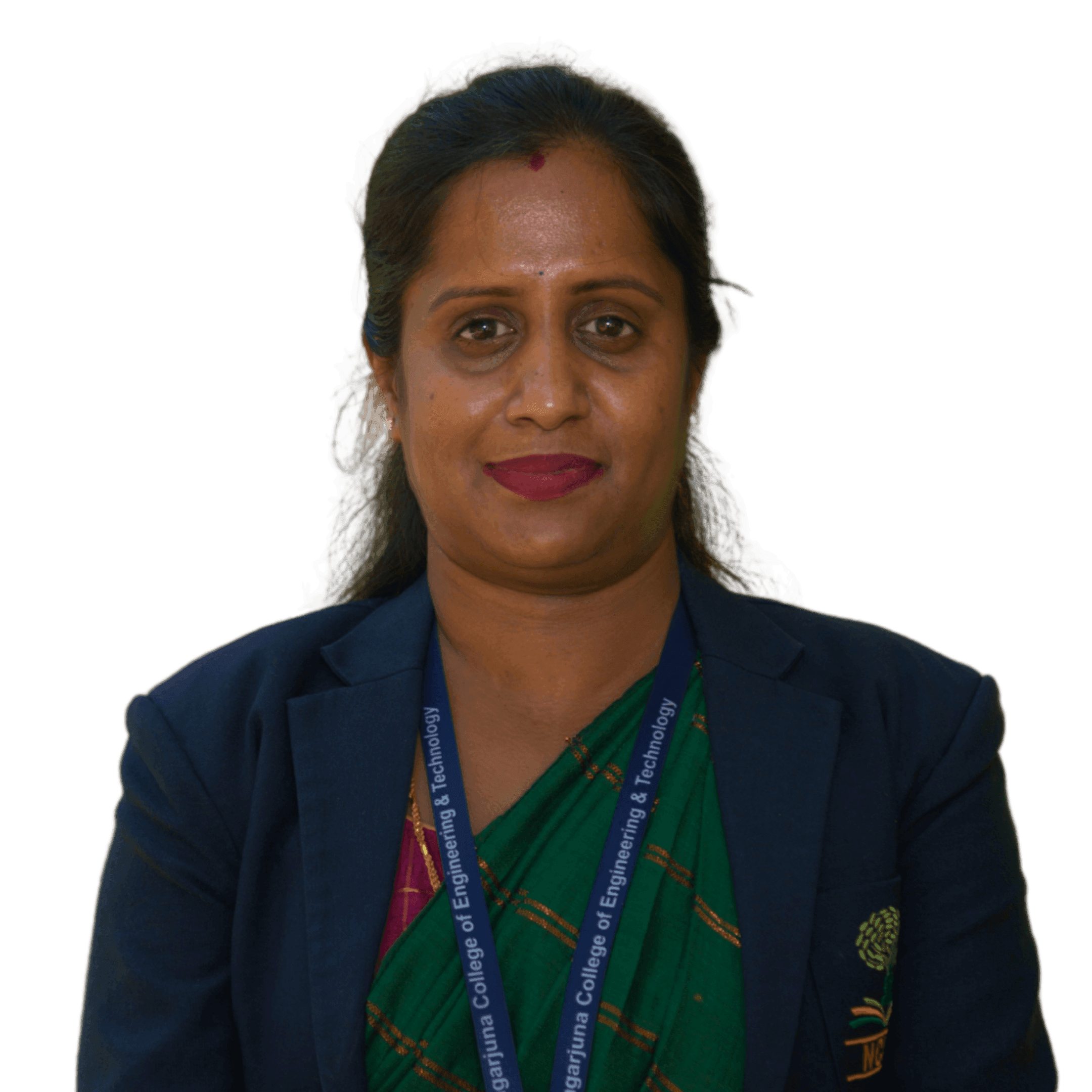
Mrs Mala K
B.E, M.Tech
Assistant Professor dedicated to quality education and student development.
Syllabus
Scheme 2025-26
Academic Calendar
Course Files
Guest Lectures & Webinars
Workshops & Value Added Courses
Research Center
The Department of Civil Engineering is a recognized research center by VTU, actively engaged in sustainable infrastructure development, environmental engineering, and geotechnical research with significant contributions to industry consultancy.
Research Publications
Civil Engineering Department Research Portfolio
Patents & IP
Consultancy & Testing Services
Student Achievements
Smart India Hackathon Participation 2023
Civil Engineering students competed in the Smart City Challenge category, developing innovative infrastructure solutions.
National Concrete Conferences
Students presented research papers on sustainable building materials at national conferences.
ICI Student Chapter Awards
Outstanding participation in Indian Concrete Institute's student activities and awards.
Field Project Showcase 2023
Students executed full-scale construction projects including bridge modeling and sustainable building design.
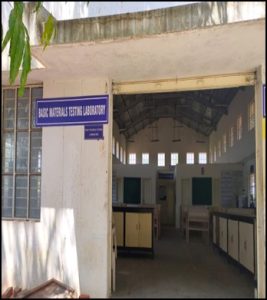
Basic Material Testing Laboratory
Purpose: Comprehensive material testing facility for concrete, steel, brick, and aggregate analysis.
Equipment: Universal Testing Machine (UTM) 100 kN, Brinell Hardness Tester, Digital Weighing Balance, Sieve Analysis Set
Capabilities: Compression testing, Tensile testing, Hardness evaluation, Aggregate gradation analysis
Technical Staff: Mr. Rajesh Kumar, Lab Technician (Diploma in Civil Engineering)
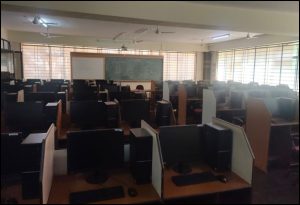
AutoCAD & Design Lab
Purpose: Advanced computer-aided design training and structural modeling.
Equipment: 30 High-performance workstations with 8GB RAM, AutoCAD 2024, STAAD.Pro, ETABS, SAFE software
Capabilities: 2D & 3D architectural drawing, Structural analysis and design, Foundation design, Reinforcement detailing
Technical Staff: Mr. Ravi Singh, Lab Instructor (B.Tech in Civil Engineering)
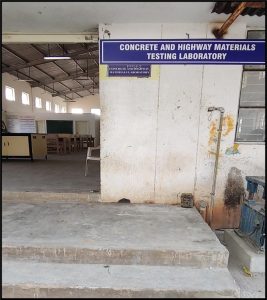
Concrete & Highway Materials Lab
Purpose: Specialized laboratory for material evaluation and quality assessment.
Equipment: Concrete Compression Testing Machine, Marshall Stability Apparatus, Durability Testing Chamber, Slump Cone, Vicat Needle
Capabilities: Concrete strength evaluation, Pavement design, Durability studies per IS codes, Industry consultancy work
Technical Staff: Mrs. Priya Nair, Lab Technician (Diploma in Civil Engineering)
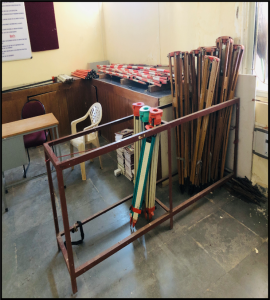
Surveying Practice Laboratory
Purpose: Hands-on surveying and field measurement training.
Equipment: Pentax Total Station, Sokkia Auto Level, Theodolite, GPS/GNSS receiver, Measuring Tapes, Optical Levels
Capabilities: Land surveying, Leveling work, Angle measurement, GIS data collection, Setting out of structures
Technical Staff: Mr. Vikram Sharma, Lab Instructor (B.Tech in Civil Engineering)
Structural Analysis Lab
Purpose: Advanced structural analysis and finite element modeling.
Equipment: Computers with SAP2000, ANSYS, and ABAQUS software, Teaching models for truss and frame analysis
Capabilities: Complex structural analysis, Non-linear analysis, Finite element method applications, Advanced problem solving
Technical Staff: Dr. Ramesh P S, Lab In-Charge
Placements
"Updating soon"
Alumni Member
Batch 2022-24
Academic Excellence