Department of
Electronics & Communication Engineering
Vision
To transform the students as leaders in Electronics & Communication Engineering to achieve professional excellence in the challenging future.
Mission
- Creating an environment for the students to have strong academic fundamentals and enable them to be life-long learners.
- Providing modern tools to the students in the field of electronics & communication to meet the real-world challenges.
- Developing communication skills, technical skills, leadership qualities, and team work
- Inculcating Ethics and Human values for solving societal problems.
- Imparting engineering knowledge through innovative research projects and to enhance their employability and entrepreneurship skills.
The Department of Electronics and Communication Engineering at NCET was established in 2001 and has since evolved into a center of academic and research excellence. The department offers a comprehensive undergraduate program that equips students with both technical proficiency and the agility to adapt to emerging technologies. Accredited by the National Board of Accreditation (NBA) across multiple terms—2009–2012, 2018–2022, and currently for 2024–2027—the department is backed by a highly qualified faculty with academic credentials from prestigious institutions such as IIITs, NITs, and top Central and State Universities. Faculty expertise spans a wide range of advanced domains including VLSI, RF and Microwave Engineering, Nanotechnology, Signal Processing, Robotics, and Communication Technologies. The department is well-equipped with modern laboratories and has established Centers of Excellence such as the Drone Technology CoE in collaboration with IIT Goa, and the E-Yantra Robotics Lab in association with IIT Bombay. Research output is a stronghold, with more than 160 publications in SCIE and Scopus-indexed journals, international conference proceedings, and book chapters.
The department also maintains strategic MoUs and research collaborations with premier institutions including IIT Bombay, IIT Goa, and NIT Surathkal, as well as with industry leaders like NASSCOM and Ed Gate Technologies. Students regularly participate in international IEEE conferences held in countries such as Romania, Lithuania, Latvia (Riga), Russia, Indonesia, Dubai, and Poland, gaining exposure to cutting-edge global research. Strong industry-academia linkages are maintained through partnerships with leading companies such as BOSCH, LG, Continental, Cognizant, Infosys, Accenture, Foxconn, DXC Technology, TCS, Tech Mahindra, and IBM.
Students benefit from hands-on learning through internships and training programs at esteemed institutions and organizations including IIT Hyderabad, IIT Goa, IIIT Gwalior, NITK Surathkal, DRDO, ISRO, CSIR-NAL, BEL, BHEL, and IBM. The department fosters a vibrant research culture through faculty-mentored student projects in emerging areas and encourages active participation in professional societies like IEEE, IETE, and ISTE.
The department’s legacy is reflected in its successful alumni who have pursued higher education at globally renowned universities such as the University of Central Missouri (USA), University of Greenwich (UK), Rowan University (USA), University of Arizona (USA), and Florida Institute of Technology (Australia), exemplifying its commitment to producing globally competent graduates ready to excel in academia, industry, and research.
Department is Accredited by the National Board of Accreditation (NBA) and the institution is accredited by NAAC with A+ grade.
Programme Education Objectives (PEOs)
- 1
Develop proficiency as an Electronics and Communication engineer with an ability to solve technical and real-world problems for sustainable societal growth.
- 2
Prepare the graduates to possess the ability to design project-based learning and collaborative learning.
- 3
To communicate effectively and manage resources skillfully as a member and leader of the profession.
- 4
To prepare graduates for higher studies and research profession blended with ethical and humanitarian values.
- 5
To acquire the expertise and understanding needed for employment and entrepreneurship.
Programme Outcomes (POs)
PO1: Engineering Knowledge: Apply knowledge of mathematics, natural science, computing, engineering fundamentals and an engineering specialization as specified in WK1 to WK4 respectively to develop to the solution of complex engineering problems.
PO2: Problem Analysis: Identify, formulate, review research literature and analyze complex engineering problems reaching substantiated conclusions with consideration for sustainable development. (WK1 to WK4)
PO3: Design/Development of Solutions: Design creative solutions for complex engineering problems and design/develop systems/components/processes to meet identified needs with consideration for the public health and safety, whole-life cost, net zero carbon, culture, society and environment as required. (WK5)
PO4: Conduct Investigations of Complex Problems: Conduct investigations of complex engineering problems using research-based knowledge including design of experiments, modelling, analysis & interpretation of data to provide valid conclusions. (WK8).
PO5: Engineering Tool Usage: Create, select and apply appropriate techniques, resources and modern engineering & IT tools, including prediction and modelling recognizing their limitations to solve complex engineering problems. (WK2 and WK6)
PO6: The Engineer and The World: Analyze and evaluate societal and environmental aspects while solving complex engineering problems for its impact on sustainability with reference to economy, health, safety, legal framework, culture and environment. (WK1, WK5, and WK7).
PO7: Ethics: Apply ethical principles and commit to professional ethics, human values, diversity and inclusion; adhere to national & international laws. (WK9)
PO8: Individual and Collaborative Team work: Function effectively as an individual, and as a member or leader in diverse/multi-disciplinary teams.
PO9: Communication: Communicate effectively and inclusively within the engineering community and society at large, such as being able to comprehend and write effective reports and design documentation, make effective presentations considering cultural, language, and learning differences
PO10: Project Management and Finance: Apply knowledge and understanding of engineering management principles and economic decision-making and apply these to one’s own work, as a member and leader in a team, and to manage projects and in multidisciplinary environments.
PO11: Life-Long Learning: Recognize the need for, and have the preparation and ability for i) independent and life-long learning ii) adaptability to new and emerging technologies and iii) critical thinking in the broadest context of technological change. (WK8)
Programme Specific Outcomes (PSOs)
- 1
Able to identify, analyze & solve the technical, societal and environmental problems by applying the knowledge of Electronics and Communication Engineering.
- 2
Ability to design, develop and implement software program and hardware modules using significant knowledge through modern tools in Electronics and Communication Engineering.
- 3
Able to pursue higher studies, involve in research activities, be employable or entrepreneur and pursue lifelong professional development in Electronics and Communication Engineering.
Academic Boards
Board of Studies (BOS)
16 Items| Course Name | B.E in Electronics and Communication Engineering ( 4 Years ) |
| Intake | 120 |
| Accreditation Status | Accreditation by NBA and Institution is Accredited by NAAC with A+ Grade |
| Professional Society Membership | IAENG, IETE, IEEE |
| Professional Activities | Seminars, workshops, Expert Talks, Guest Lectures, Training Program and FDPs are conducted regularly |
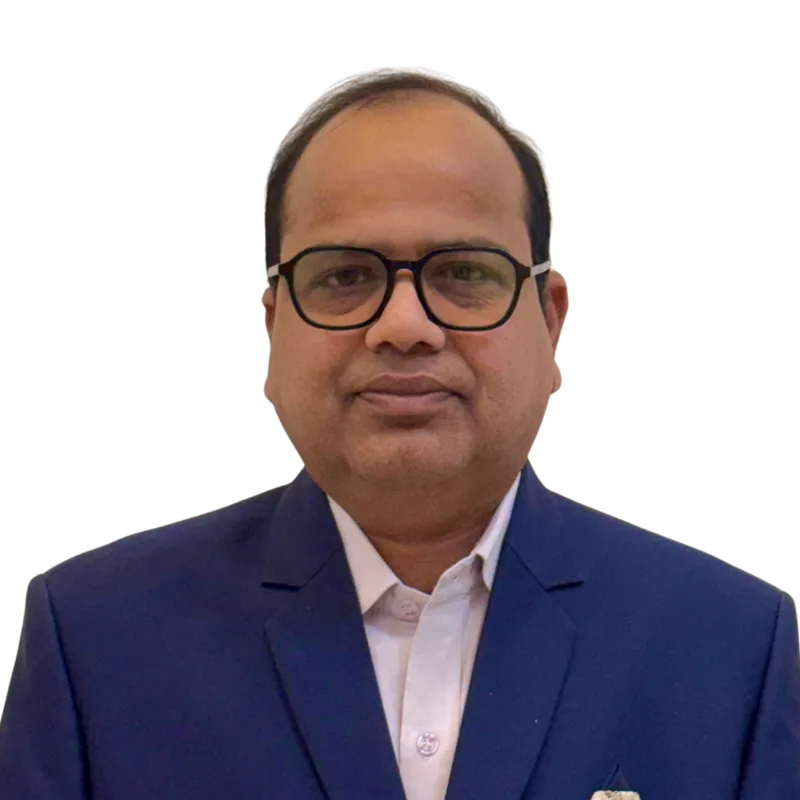
Dr. H Venkatesh Kumar
Professor & HoD
B.E, M.Tech, Ph.D. (JNTUA)
"Welcome to the Department of Electronics & Communication Engineering at Nagarjuna College of Engineering & Technology. Established in the year 2001 along with the inception of the institution, our department has been consistently striving to impart quality technical education and to nurture competent engineers who are well prepared to meet the challenges of rapid technological advancements. Our undergraduate program is thoughtfully designed to strengthen both core technical knowledge and essential generic competencies, enabling our students to become agile learners and industry-ready professionals. We actively encourage our students to pursue higher studies, appear for competitive examinations, and engage in research activities in emerging areas of Electronics and Communication Engineering. To enhance employability and holistic development, special training programs focusing on soft skills and professional readiness are offered from the third year onwards. As a result, our students have been successfully placed in reputed organizations such as Deloitte, Cognizant, Continental Automotive, Mahindra Electric, TECH Mahindra, HP, Infosys, TCS, IBM, Mindtree and DXC Technologies. The department maintains strong industry and academic collaborations through MoUs with Texas Instruments, NITK-STEP, National Instruments and other reputed organizations, providing students with exposure to the latest industrial technologies and advanced laboratory facilities. We are affiliated with VTU and accredited by NBA and NAAC A+, reflecting our commitment to academic excellence and quality assurance. The department is also recognized as a VTU Research Centre and actively contributes to innovative research supported by funded projects in cutting-edge technologies. With a dedicated team of experienced faculty members, modern infrastructure, and a student-centric learning environment, we strive to promote innovation, ethical values, leadership, and lifelong learning. We warmly welcome you to explore our department and be a part of our journey towards academic excellence and professional success."
Dr. H Venkatesh Kumar
B.E, M.Tech, Ph.D. (JNTUA)
Professor, ECE, with 20+ years of teaching and research experience. Researcher in wireless networks, quantum computing, and signal processing.
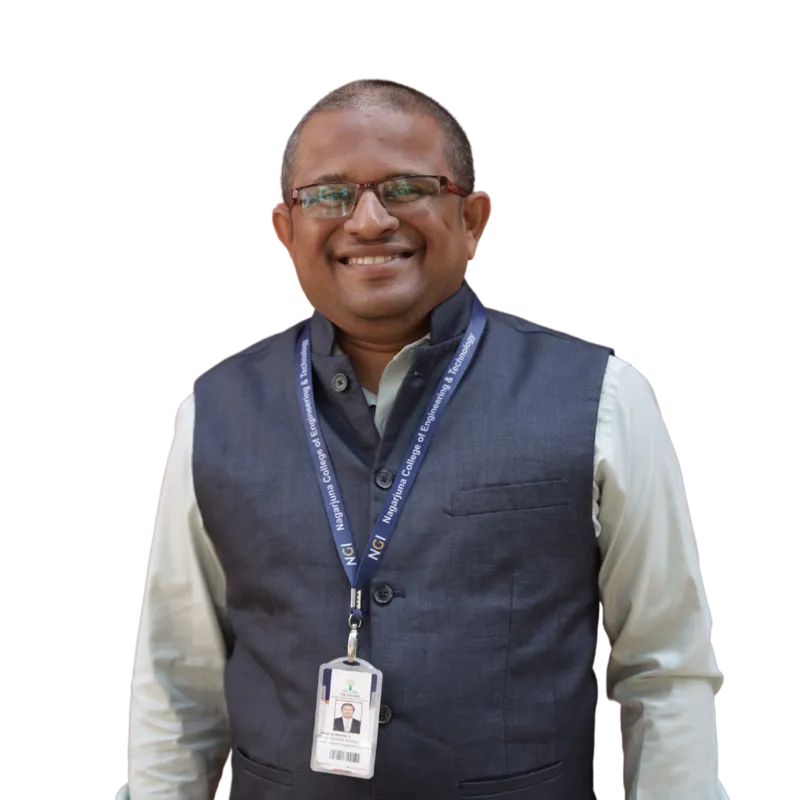
Dr. Rohith S
B. E, M.Tech, Ph.D. (VTU-Belagavi)
Associate Professor, ECE, with 15 years of expertise in Image Processing, Cryptography, and VLSI. Only Indian selected for Japan’s elite Space Engineering Program; 32+ total publications and grant recipient.
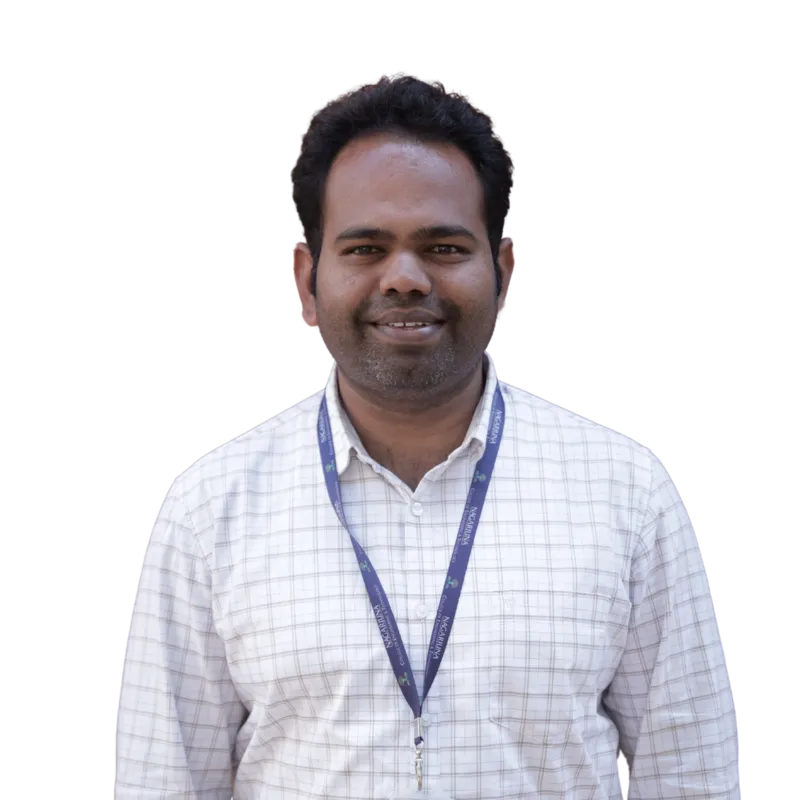
Dr. Ravi Kumar M G
B.E, M.Tech, Ph.D.
Associate Professor, ECE. Expert in signal processing and underwater communication systems. Published 30+ papers, 5 patents; contributed to DRDO & ISRO projects.
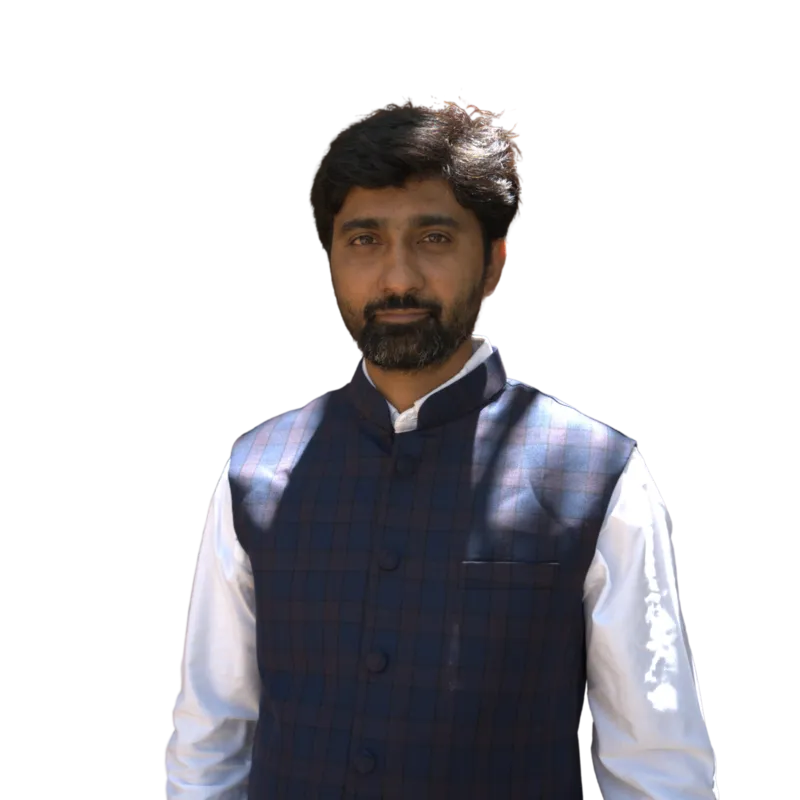
Dr. Mahesh Shastri
B.E, M.Tech, Ph.D.(VTU-Belagavi)
Specialist in nanomaterials for advanced battery technologies. Published 13+ papers; collaborated with Tohoku University, Japan.
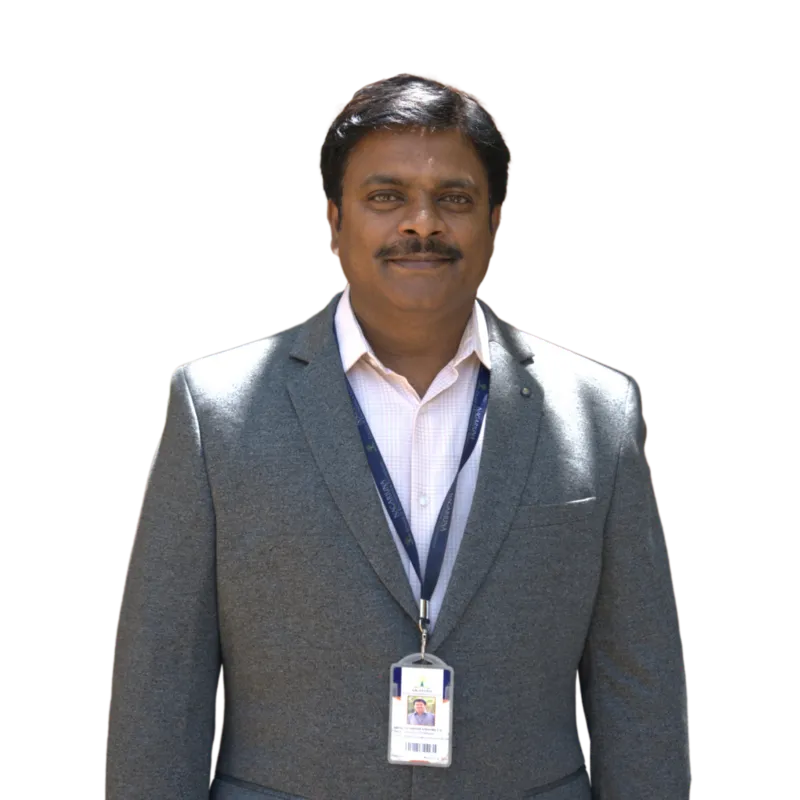
Dr. C V Nanda Kishore
B.E, M. Tech, Ph.D. (VTU-Belagavi)
Expert in wireless, optical, and antenna communication systems. Published in SCIE journals and IEEE; 14 years' experience.
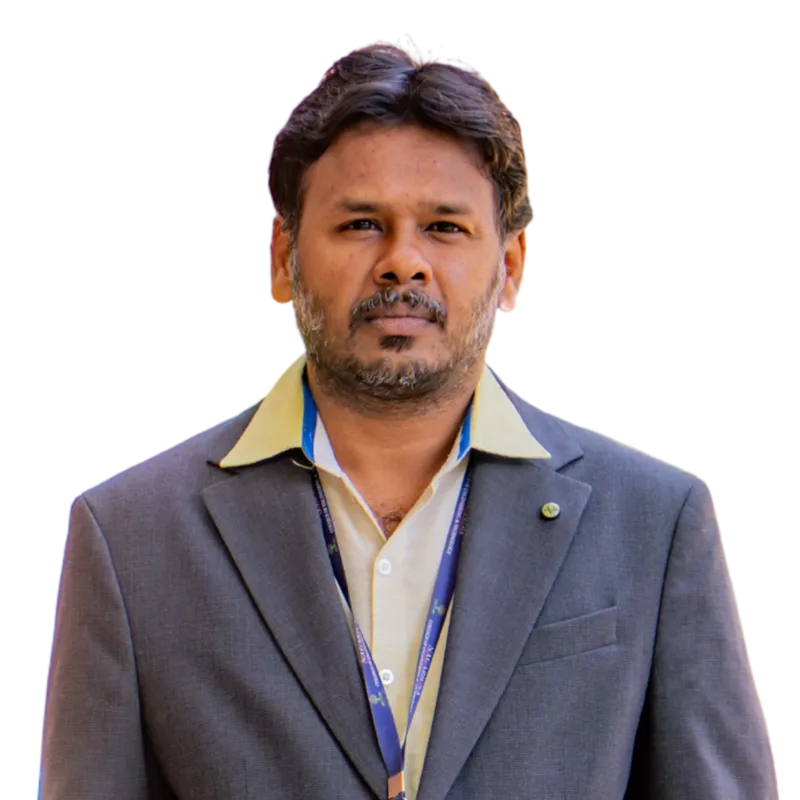
Mr. Mahesh M R
B.E, M.E, (Ph.D.)
Experienced educator with 12+ years in electronics and communication. Pursuing Ph.D. in image processing; published in reputed journals.
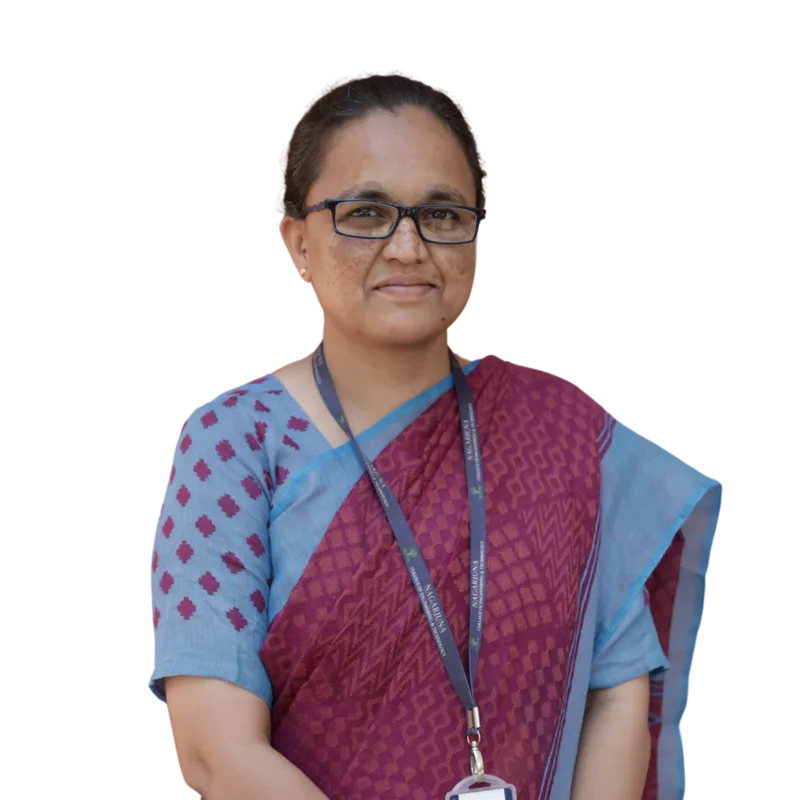
Ms. Sunitha M
B.E , M.E, (Ph.D.)
Assistant Professor with 8 years of academic experience in ECE. Focused work on electronics innovation and intellectual property.
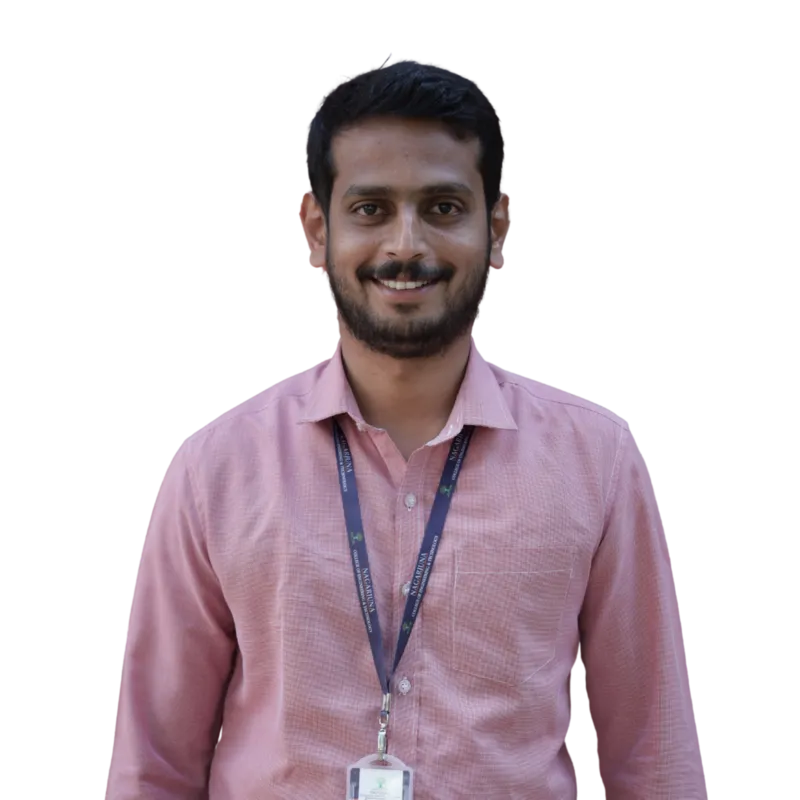
Dr. Shashikiran R
B.E, M. Tech, Ph.D.
Passionate academic with 9+ years in teaching and wireless research. Published 15+ papers; interests include WSN, signal processing, and communications.
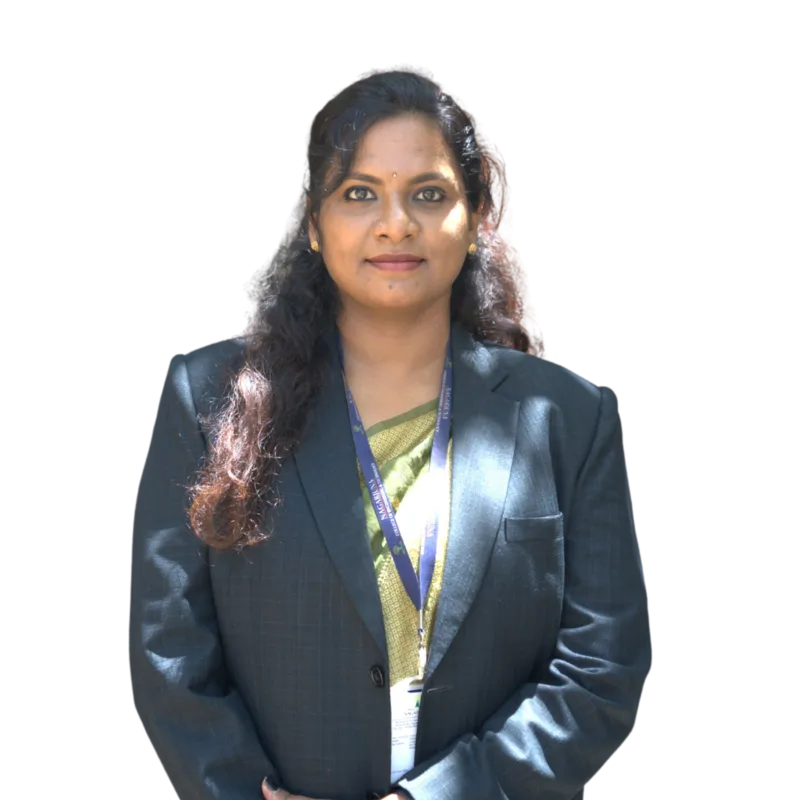
Mrs. Rashmi G P
B.E , M. Tech, (Ph.D.)
Academic leader with expertise in teaching, training, and institutional coordination. Actively involved in NBA, publications, alumni relations, and student outreach.
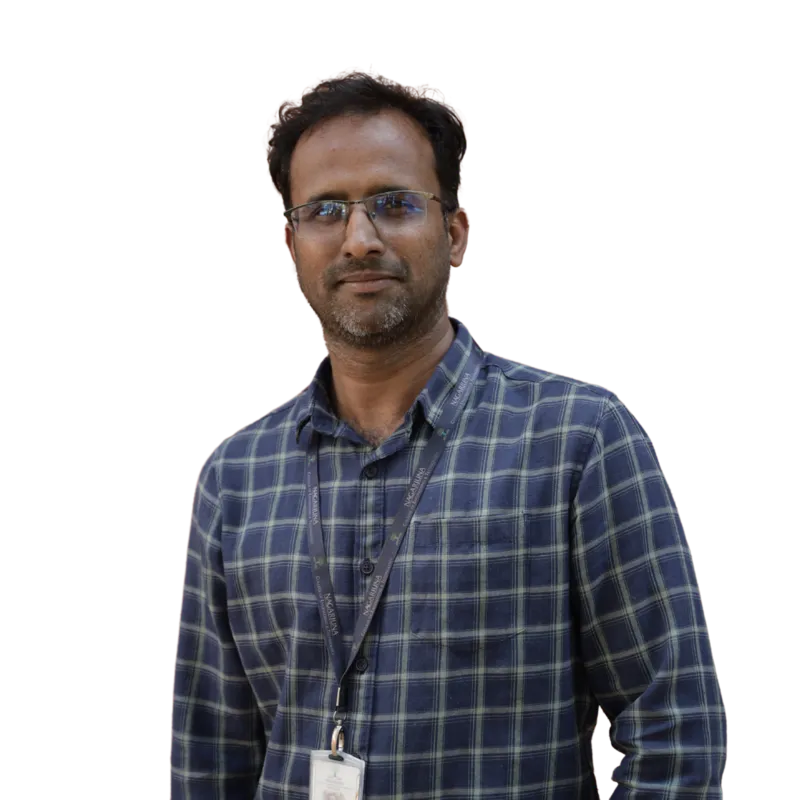
Mr. Sreenivasulu K N
B.E , M. Tech, (Ph.D.)
Presented 12+ papers in reputed international conferences; received KSCST grants. Member of IEEE and IAENG; combines academic and industry experience effectively.
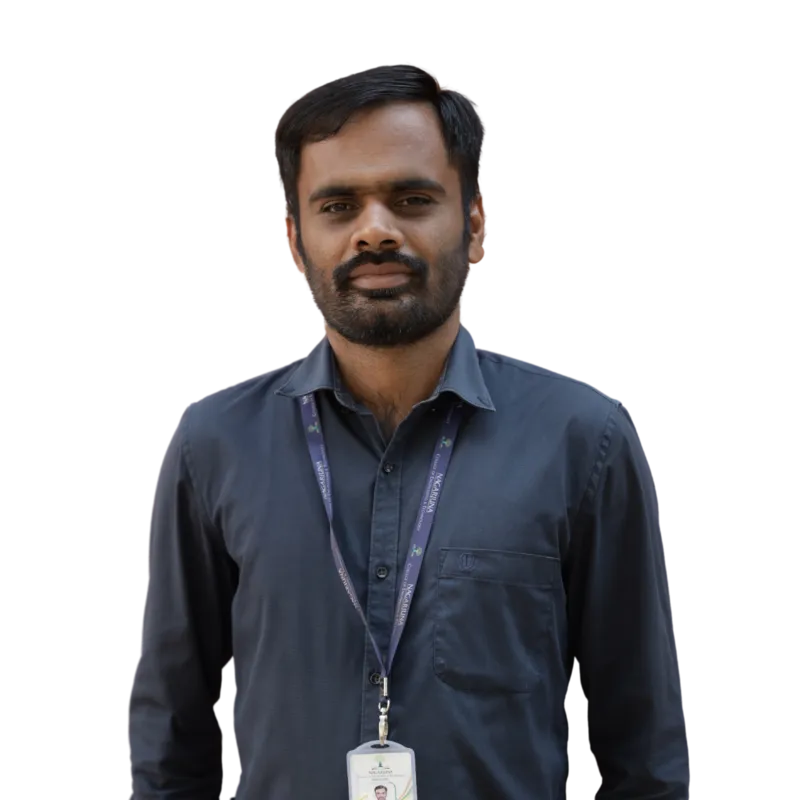
Mr. Manjunath M N
B.E, M.Tech, (Ph.D.)
Published 9+ papers in reputed national and international journals/conferences. Research focus: RF device modeling, simulation, and application development.
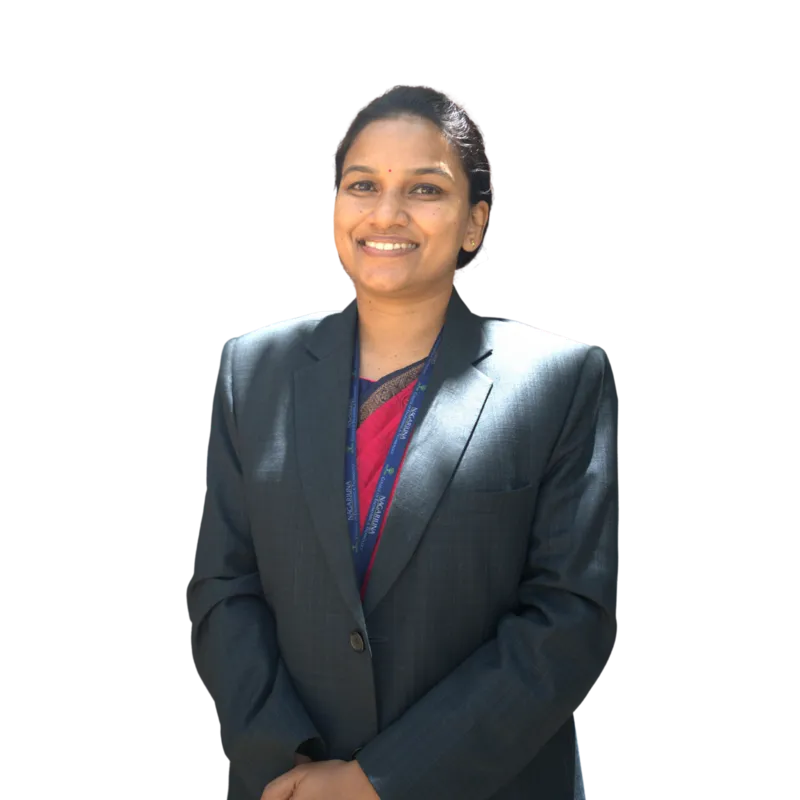
Mrs. Jyothi S K
B.E, M.Tech, (Ph.D.)
Published in SCI/IEEE journals; holds 3 patents (Indian, Australian). Research focus: Antennas, RF & Microwave, and Power Electronics systems.
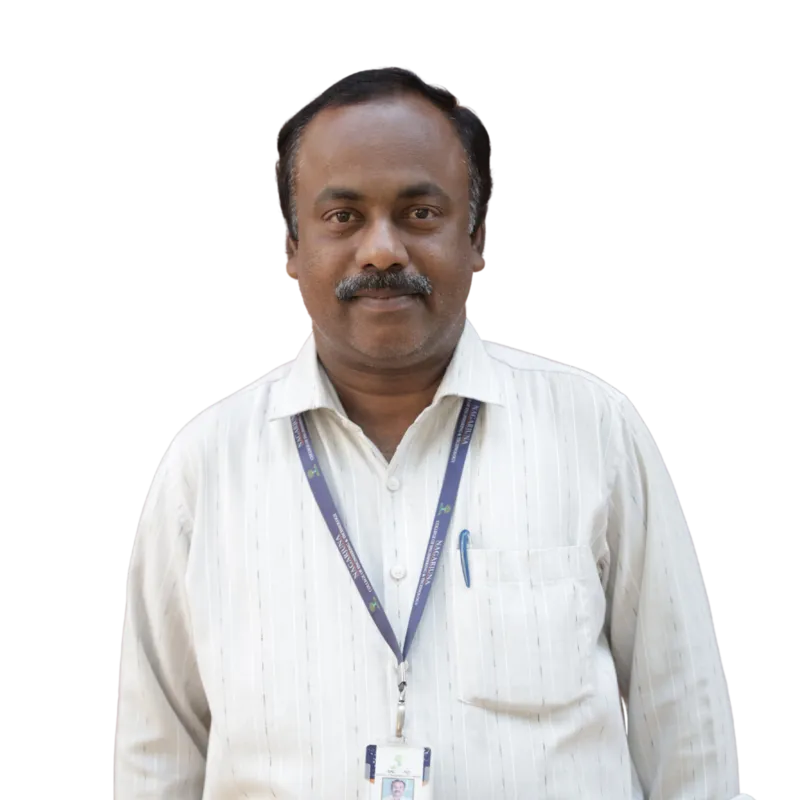
Mr. Yashodhara C L
B.E, M.Tech, (Ph.D.)
13 years of academic and software industry experience in communication domains. Research interests: Wireless networks, Digital Communication, Antennas, and Networking Systems.
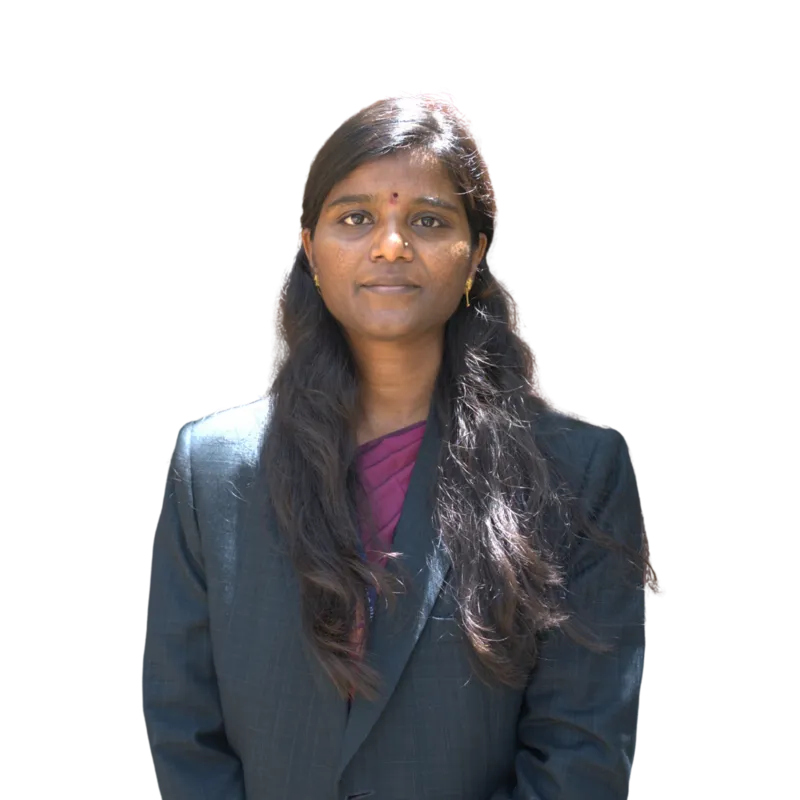
Mrs. Rani B A
B.E, M.Tech, (Ph.D.)
Research interests: Dielectric Resonator Antennas and MIMO DRA systems. Published 5 patents and 2 research papers; 8 years teaching experience.
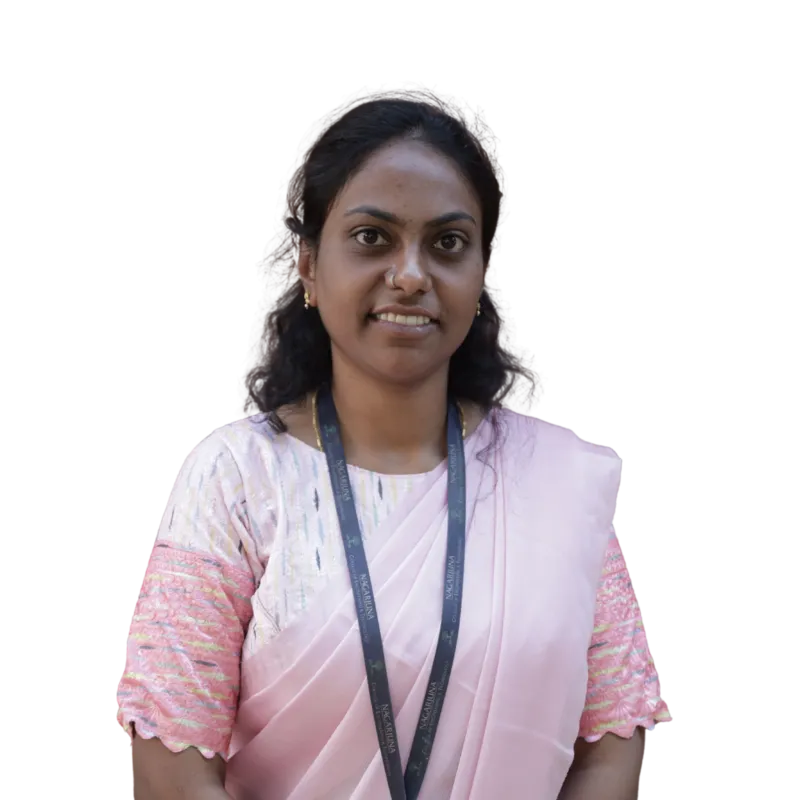
Mrs. Naghma Anjum
B.E, M.Tech, (Ph.D.)
Published SCI paper on ceramic-based MIMO filtenna with circular polarization. Filed 4 patents; pursuing PhD in Nanotechnology; 3 years of experience.
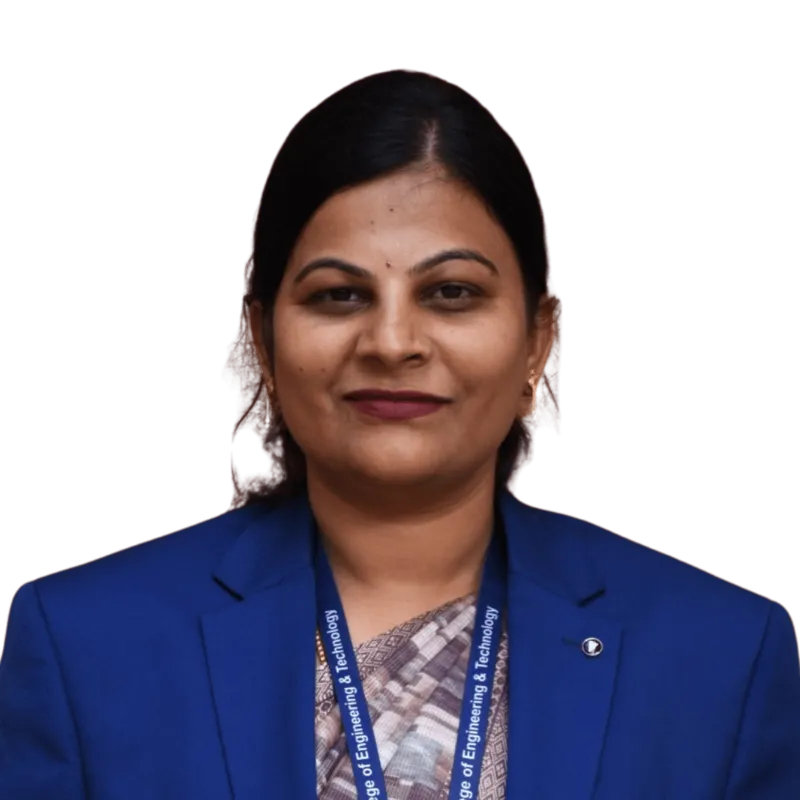
Mrs. Asharani M
B.E, M.Tech, (Ph.D.)
Assistant Professor specializing in RF VLSI and CMOS circuit design. Actively researches low-power, high-speed analog and RF systems.
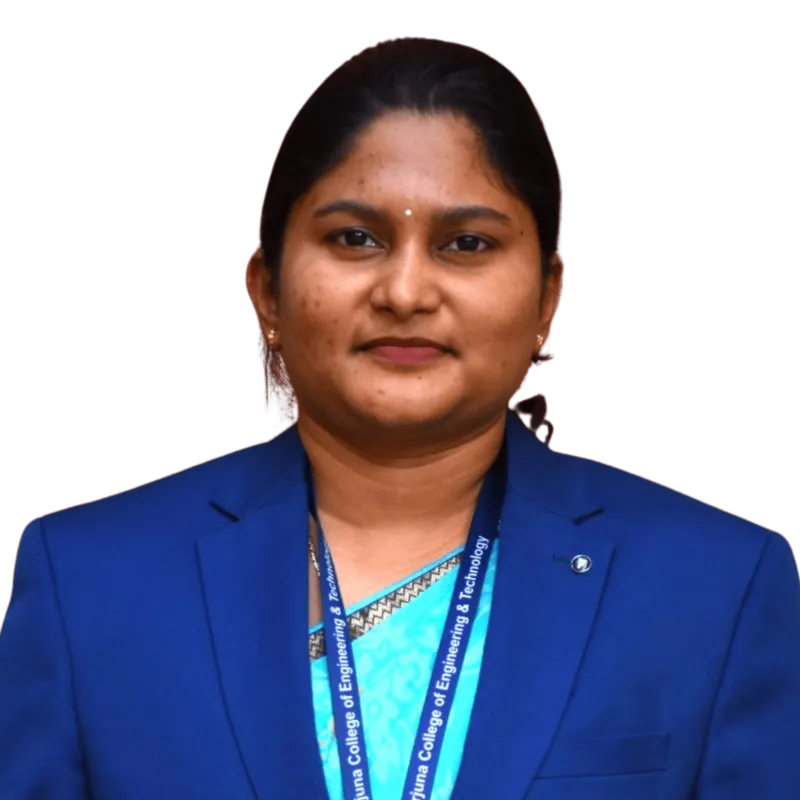
Mrs. Nischitha A P
B.E, M.Tech
Assistant Professor specializing in VLSI and Digital System Design. Focuses on RTL design, EDA tools, and HDL modeling research.
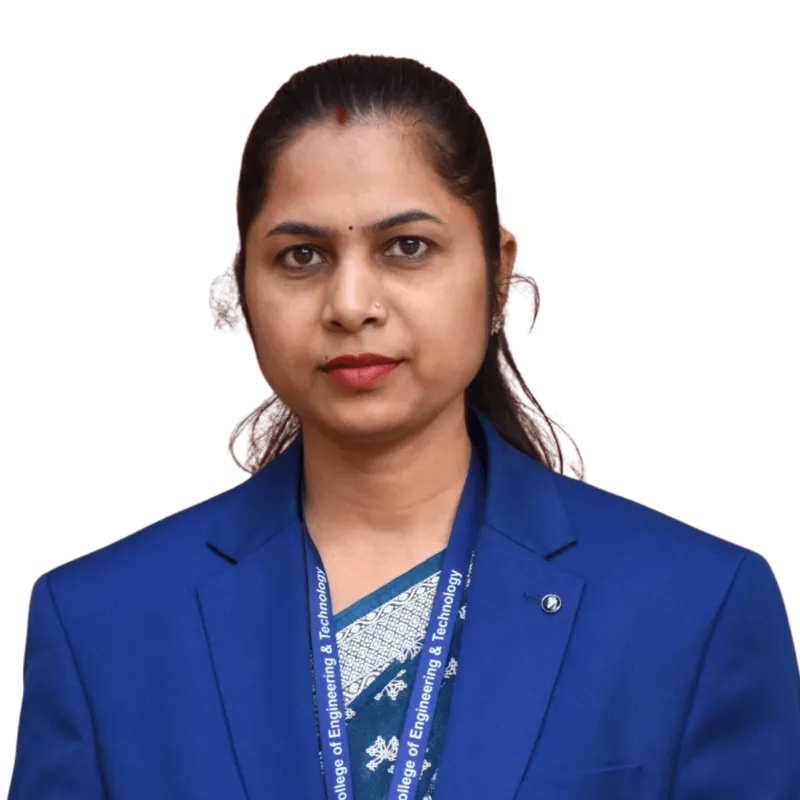
Mrs. Kumar Rashmi Sudhir
B.E, M.Tech
Assistant Professor with five years of teaching experience. Specializes in Electronics and Communication Engineering education.

Mr. Divakara M
B.E, M.Tech, (Ph.D.)
Assistant Professor researching Quantum and Vehicular Communication systems. Guides student research projects fostering innovation and experiential learning.
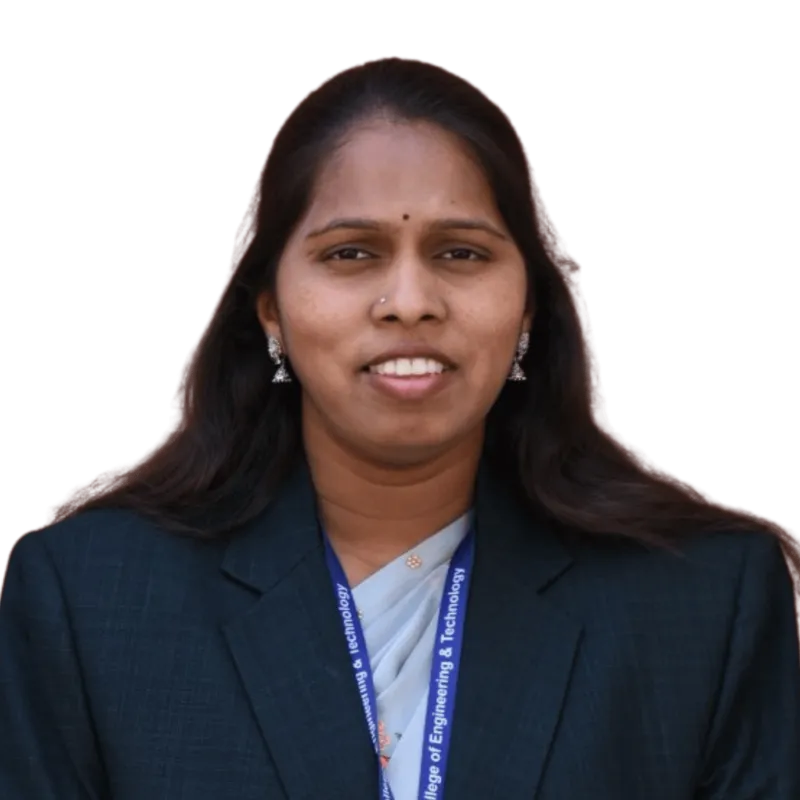
Mrs. Pushpa
B.E, M.Tech
Assistant Professor specializing in Nano Electronics and Communication Engineering. Focuses on advanced semiconductor and electronic system design.
Syllabus
Scheme 2025
Academic Calendar
Academic Year 2025-26
Course Files
Guest Lectures & Expert Talks
Workshops & FDPs
Industrial Visits
Other Activities & Events
Basic Electronics Lab
Focuses on the study of fundamental electronic components, semiconductor devices, and basic circuit characterization.
Digital Electronic Circuit Lab
Practical implementation and verification of combinational and sequential logic circuits using digital ICs.
Fundamentals of HDL Lab
Modeling, simulation, and hardware implementation of digital systems using Verilog/VHDL and FPGA kits.
Power Electronics Lab
Study of power semiconductor devices, converters, and control circuits for energy conversion and motor drives.
Analog Communication Lab
Experimental study of various modulation and demodulation techniques like AM, FM, and receiver characteristics.
Analog Electronic Circuits Lab
Design and analysis of electronic amplifiers, oscillators, and specialized linear integrated circuits.
Basic Electricals Lab
Foundational lab for understanding electrical circuits, electromagnetic induction, and electrical machine behavior.
Digital Communication Lab
Implementation of advanced digital modulation schemes (ASK, FSK, PSK) and data transmission techniques.
Digital Signal Processing Lab
Simulation and hardware implementation of signal processing algorithms like FFT, FIR, and IIR filters.
Microprocessor and Microcontroller Lab
Extensive logic development and interfacing using 8086 microprocessors and modern ARM/PIC microcontrollers.
Network Analysis Lab
Practical verification of network theorems, resonance, and transient analysis of electrical networks.
Re-Batt Energy Solutions
A specialized research and incubation center focused on sustainable energy, innovative battery management systems (BMS), and advanced battery storage solutions.
Academic Excellence